Snoqualmie council, mayor candidate Q&As | Election 2025
Published 3:12 pm Thursday, October 16, 2025
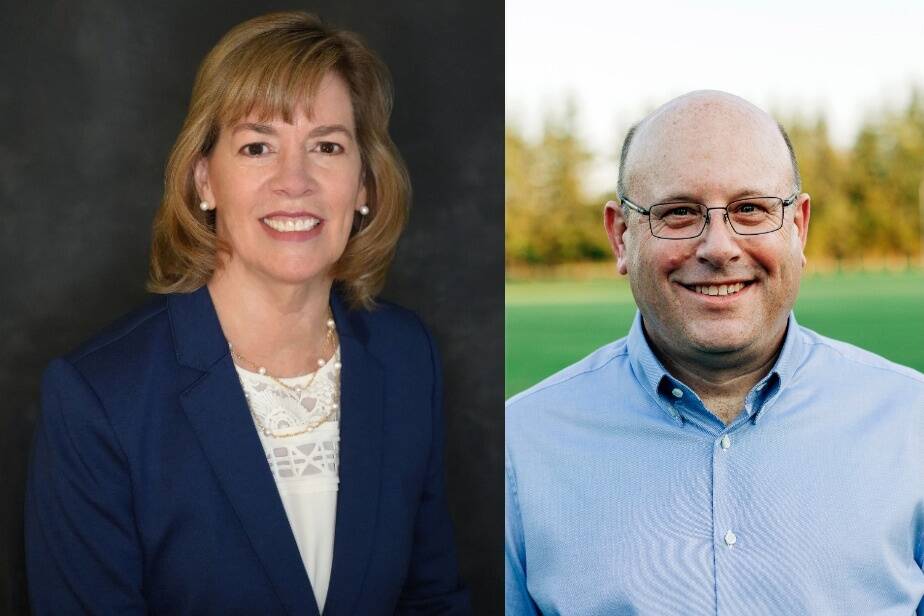

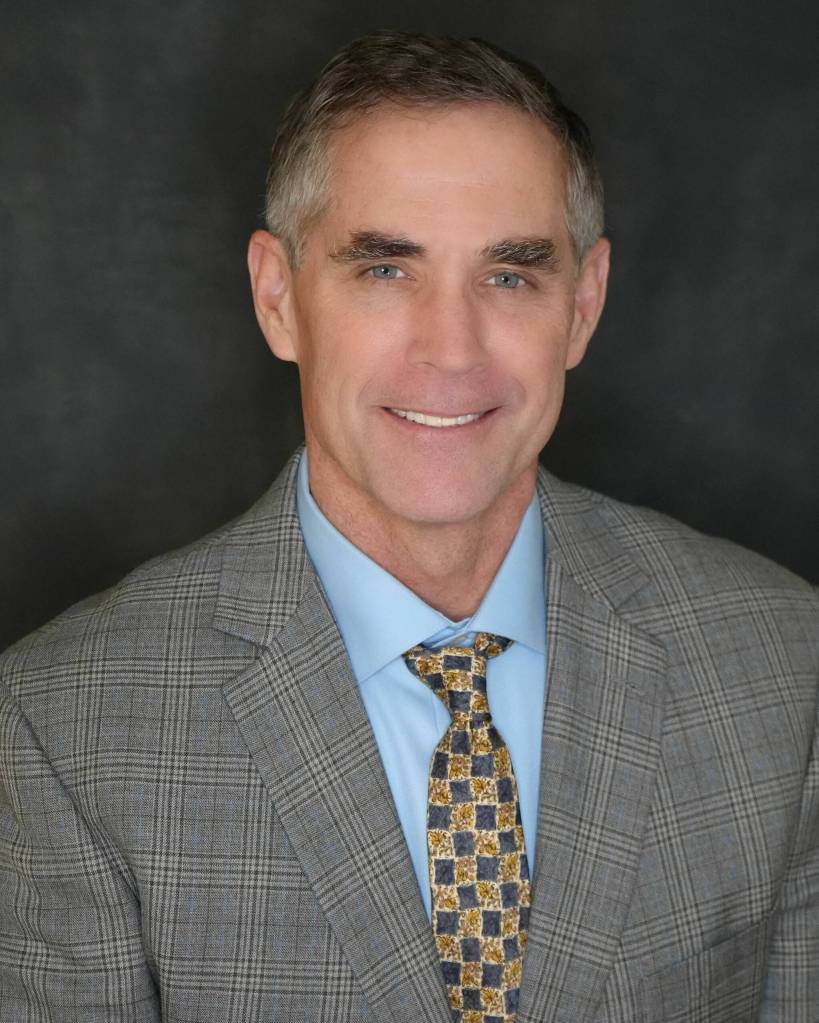
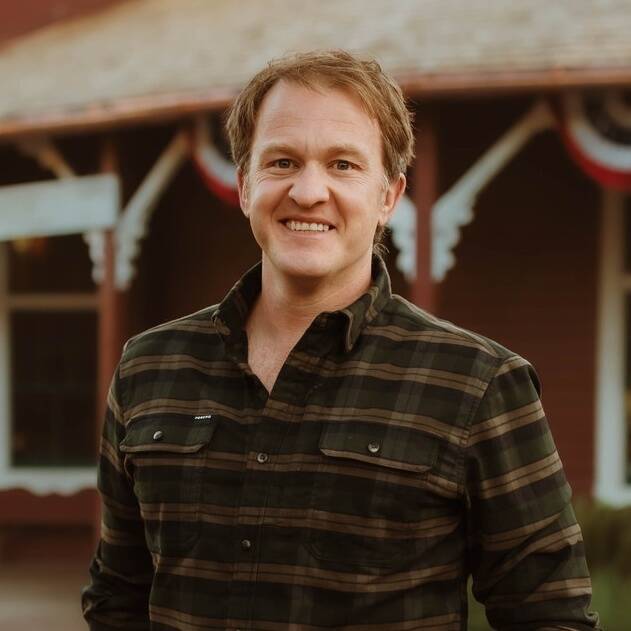




The general election is Nov. 4, and in Snoqualmie, there are two local races. Jim Mayhew is challenging incumbent Katherine Ross for mayor of Snoqualmie, while incumbent Ethan Benson faces Dan Murphy for Snoqualmie City Council Position 1.
King County Elections mailed out ballots to registered voters on Oct. 15.
The Snoqualmie Valley Record sent out questions to each candidate, and here are their responses.
–
Snoqualmie mayor: Jim Mayhew v. Katherine Ross (incumbent)
Tell us about yourself and why you are running for mayor.
Mayhew: Over the past four years, too much has been kept from public view. Town halls have shifted from dialogue to one-way presentations. Staff who voiced differing views have been pushed aside, and every city department head has turned over — many positions now re-filled multiple times. North Bend ended its joint police contract with Snoqualmie due to poor collaboration. At the same time, the administration is advancing an unaffordable pool despite council opposition, while leaving Snoqualmie without a seat in the regional pool initiative. I am running to restore openness, collaboration, and accountability. My family and I have lived in Snoqualmie since 2009, and our two sons grew up here. Since 2017, I have had the privilege of serving for six years as your councilmember, working to represent residents and strengthen our community. Giving back has always been a priority for me; I have served on nonprofit boards and community organizations throughout my life. Professionally, I bring deep financial and management experience as a former Chief Financial Officer of a Fortune 1000 company, partner at KPMG, and Certified Public Accountant. With this background, I will ensure Snoqualmie thrives by focusing on transparency, sound decision-making, and outcomes that reflect our community’s values.
Ross: Snoqualmie has been my family’s home for more than two decades, where my husband and I raised our twin daughters. Having built our lives here, I’ve dedicated nearly 20 years serving and strengthening our community by volunteering in schools, serving on nonprofit boards and city advisory committees, five years on City Council, and now as your mayor. With 20 years of business experience in operations, fiscal management, internal audit, and an MBA, I’ve brought a collaborative, results-driven approach to modernize outdated systems, strengthen emergency preparedness, and build a professional, transparent, and accountable city organization. We reduced crime by 10% in 2024, achieved full police staffing, added three firefighters in 2025, cut overtime costs, implemented a balanced budget, and secured millions in state funding to ease our residents’ tax burden. I’ve delivered visible progress, from the splash pad and all-inclusive playground to repaved streets and upgraded utilities, while keeping Snoqualmie among Washington’s safest cities. I’m running for re-election to continue this work: expanding affordable housing, completing the community center and pool project, and ensuring Snoqualmie remains a safe, well-run, and welcoming community for all. I lead with integrity, honesty, transparency, and a deep commitment to protecting Snoqualmie’s future.
What issues do you see as the most significant challenges over the next few years? Tell us why you are uniquely qualified to handle or find a solution to these issues.
M: With just 4,400 households, Snoqualmie must be strategic in how we fund major projects. Our limited local resources mean we need strong partnerships and regional collaboration to succeed. Consider the desire for a public pool in the upper Snoqualmie Valley — a long-standing community goal, but one beyond the city’s current budget. Similarly, completing State Route 18 over Tiger Mountain is vital to our economy and daily life, yet requires sustained support from state legislators and agencies. Snoqualmie is surrounded by land the state has designated for growth and incorporation into the city, and deciding as a community what type of growth we want is critical to avoiding developers deciding for us. That type of planning requires collaboration within the community and with the county, state, and the neighboring Snoqualmie Tribe. Unfortunately, over the past four years, our relationships with North Bend, King County, the School District, the Snoqualmie Tribe, and our legislative representatives have weakened. Rebuilding those relationships is essential. I’ve worked with our regional leaders for years and have established trust and common ground. These relationships can help us rebuild the collaboration we need to secure funding and deliver results for Snoqualmie’s future.
R: Snoqualmie’s biggest challenges are emergency preparedness, fiscal sustainability, and keeping our community affordable. As mayor, I manage a $150 million biennial budget and oversee 100 employees. With 20 years in operations and fiscal management and four years as your mayor, I’ve delivered balanced budgets, modernized city operations, and strengthened regional partnerships. We launched a new financial system, improved efficiency, and negotiated contracts that cut overtime 30%. Voters approved a public-safety levy to keep police and fire in Snoqualmie, well-trained and properly equipped. I’m expanding emergency preparedness, strengthening wildfire and flood readiness with Emergency Operations Center drills, and reactivating the Community Emergency Response Team to strengthen our city’s ability to respond and protect residents. On fiscal sustainability, Washington’s 1% cap on property-tax revenue, well below inflation, requires discipline and creativity. I’m diversifying revenues through grants, tourism sales-tax growth, and practicing cost management through operational efficiencies. On affordability, it’s not only housing, it’s keeping taxes reasonable, utilities reliable, and services strong. I’m advancing workforce and senior housing so employees and families can live where they work. I’m the only candidate who has led city operations and delivered measurable outcomes. I bring honest leadership, fiscal discipline, transparency, and proven executive experience.
How would you balance the need for economic development and more affordable housing with sustainability and preserving our community’s small-town feel?
M: Many local businesses, including retail and restaurants, are struggling. Most retail jobs are held by commuters, complicating hiring and retention while driving up wages and prices. Local customers aren’t generating sufficient sales, making it essential to attract more visitors, especially outside of summer and holiday seasons. Additionally, the requirements for retail storefronts on Center Boulevard, which owners agreed to when constructing the buildings, have been repeatedly waived. To thrive, we must support maintaining and expanding a critical mass of local retail businesses. To sustain our vibrant community, we need to strengthen local retail through increased collaboration with neighboring communities and advertising to attract visitors. Investing in infrastructure, such as the Riverwalk, can enhance our area’s appeal. While this generates sales tax revenue, the primary benefit lies in fostering a thriving local retail environment year-round, which is essential for preserving our community’s character and charm. Recent housing discussions in Snoqualmie have largely focused on low-income. While there is a great need across King County, our community lacks the services, transportation, and infrastructure to support it. Instead, we need housing stability for those facing temporary financial distress, more affordable workforce housing for teachers and first responders, and options for seniors to downsize.
R: Snoqualmie’s success depends on balance, growing thoughtfully while preserving our small-town character and natural environment. Every decision I make centers on maintaining that balance. I successfully worked with King County to reduce our housing growth target from 1,500 to 719 units, reflecting true land capacity and protecting the environment. We’re advancing Millsite redevelopment to add retail and workforce housing, implementing our 2023 Housing Strategy to deliver “missing middle” and senior options, and partnering regionally to expand affordability while upholding design standards that preserve Snoqualmie’s character. Economic vitality is equally essential. We updated zoning in our business districts to allow minimum 90% commercial use, expanding opportunities for new retail and restaurants. I meet regularly with local business owners to support growth, address challenges, and collaborate on ways to attract new investment and strengthen Snoqualmie’s business community. Projects such as Northwest Railway Roundhouse, Model Train Museum, and Snoqualmie Valley Hospital expansion will create jobs, boost tourism, and generate additional sales tax revenue, reducing our reliance on property taxes to fund city services. Sustainability and livability go hand-in-hand. We’re investing in critical infrastructure and urban-forest stewardship and habitat restoration to keep Snoqualmie’s future strong, sustainable, and true to our community’s character.
In your opinion, is the city headed in the right direction? If yes, what is it doing well? If not, what needs to change?
M: Snoqualmie is a strong and vibrant community, but I believe improvements are needed in how the city manages its services and finances. Chronic understaffing in police and other departments is neither sustainable nor fiscally responsible. Rather than addressing these core challenges, the current administration has proposed steep increases in utility rates and service fees — including new park charges and targeted tax hikes on struggling local businesses. If adopted, these measures could force closures or relocations, leaving Snoqualmie at risk of becoming just another commuter town without a vibrant local economy. Balancing budgets through unfilled staff positions and regressive fees is not a viable strategy. A similar approach to policing fees recently damaged regional cooperation, driving away North Bend and reducing both cost-sharing and public safety capacity. Spending decisions also lack foresight. The new Splash Pad is a welcome addition, but at $1.6 million — nearly $400 per household — it came almost entirely from city funds. By contrast, the 2018 skatepark relied on partnerships and grants to cover the $515,000 equivalent cost, with only 2% ($10k) covered locally. We must return to that model. Snoqualmie needs long-term budget planning, pursuit of external funding, and meaningful public input before key decisions are made.
R: YES! Snoqualmie is safer, stronger, and more financially stable than four years ago. When I started as mayor, 30% of city positions were vacant, only two of nine leadership roles had permanent directors, and operations were outdated. Today, staffing vacancies are under 5%, employee satisfaction is high, and our city team provides exceptional service to residents every day. In fact, 93% of residents in the 2025 survey rated Snoqualmie’s quality of life positively. We’ve modernized operations with a new financial management system streamlining budgeting, asset management and predictive maintenance. We secured millions in external funding, including $5 million to repave Snoqualmie Parkway, reducing pressure on local taxpayers. Public safety remains our top priority: crime fell 10% in 2024, police and fire are fully staffed, and a voter-approved public safety levy keeps these services in Snoqualmie and accountable. We’ve added amenities like the splash pad and all-inclusive playground, completed the community center pool design, and adopted our 2044 Comprehensive Plan with realistic housing targets. A new five-year Strategic Plan will ensure future budgeting aligns with community priorities. Our progress reflects a strong team and accountable governance. I’ll continue listening and delivering, keeping Snoqualmie safe, well-managed, and affordable with honest, transparent leadership.
What do you believe is the role of the mayor in the town’s operation, versus other elected officials?
M: The mayor’s role is to be the bridge between residents and their government, ensuring concerns are addressed promptly and that the community has a real voice in major policies. That means ensuring staff are accountable, and that they empathetically and promptly resolve resident problems as they arise. It also means ensuring transparency in decisions—whether about utility rates, public safety, or parks—with clear trade-offs explained between services and the taxes or fees that fund them. An effective mayor, together with the city council, makes sure significant issues are raised with the public early, with facts, options, and costs laid out well before decisions are made. Their role together is to ensure the full range of perspectives is weighed and incorporated into decisions, so outcomes reflect the values and priorities of the community rather than the preferences of a single individual. Leadership also requires presence. A mayor who is visible and approachable builds trust and civic engagement. The role is not just administrative—it is about setting direction, fostering openness, and creating the conditions for the best outcomes. Ultimately, the mayor ensures the city thrives by surfacing and driving responsiveness and resolution of issues, wherever possible before they become urgent.
R: As mayor, I serve as Snoqualmie’s chief executive, overseeing daily operations, managing a biennial budget, leading our workforce, and implementing City Council decisions. The council is the legislative body: it sets policy and ordinances, updates zoning and the Comprehensive Plan, approves budgets, sets wages, taxes, and utility rates, and parameters for major contracts such as labor agreements and police services. These roles are non-partisan by law. I honor that by representing all residents. By contrast, my opponent accepted a partisan endorsement, signaling he doesn’t represent roughly 47% of voters outside his party. Regionally, I represent Snoqualmie on boards to advocate for our priorities and funding. I meet frequently with Snoqualmie Valley and Eastside leaders so our voice is heard and our shared goals move forward. Councilmembers should cultivate these relationships too, so when major issues arise or agreements come up for renewal, connections are already in place. When my opponent served on council, he neither built those Snoqualmie Valley relationships nor participated on regional boards. The mayor is a full-time executive role requiring leadership, collaboration, and experience. I’ve brought professionalism, fiscal discipline, transparency, and resident-driven decision-making to City Hall. I’m the only candidate with proven executive experience leading city operations.
–
Council position 1: Ethan Benson (incumbent) v. Dan Murphy
Tell us about yourself and why you are running for City Council.
Benson: My wife and I moved our family to Snoqualmie Ridge 14 years ago. We were both elementary educators, and in 2012 my wife opened Rooster Valley Farm School downtown with her best friend. In 2017 I left my 25-year teaching career to start Serve Snoqualmie Sports, an organization of adult sports leagues for the community, sponsored by Church on the Ridge. In 2021, my friend Bob Jeans encouraged me to run for City Council to fill the seat he had occupied for 16 years. I am passionate about representative government. I believe that every resident’s voice should resonate at City Hall, and I think that it is possible to represent everyone with every vote at council. Every councilmember has his/her own method. Mine is to make my decisions adhere to three core values of government, which I think we all share: public safety, fiscal responsibility, individual rights. If any decision runs afoul of any of those values, I have a problem with it. It has been a huge learning experience and great honor to serve on the City Council. I hope you will allow me to serve you for the next four years.
Murphy: I live on Snoqualmie Ridge with my wife, our two daughters who attend Cascade View Elementary, and our two dogs. We feel fortunate to call Snoqualmie home and love it for its safe, walkable streets, rich history, natural beauty, close-knit community, and overall quality of life. I’m running for City Council to protect and invest in local public safety, support our small businesses, and work with neighbors to bring a community pool to the Valley. I’m also focused on increasing transparency, accountability, and independence on the council, and improving collaboration with neighboring communities. I believe the city can do a better job at communicating with residents. Too many decisions — like recent utility and garbage rate increases — have felt sudden. This doesn’t mean this information wasn’t relayed, but rather that it was communicated in ways that didn’t work well for our residents, who deserve more clarity and engagement in these important discussions. Professionally, I run a public affairs consulting firm, working with clients in the transportation, city planning, and technology sectors. When I’m not shuttling my daughters to various activities around the Valley, I enjoy hiking, weightlifting, and baseball.
How are you currently involved in the community?
B: My first term on the Snoqualmie City Council has come with an enormous learning curve. When I first came to the job, I had no idea of what I had no idea of. It is mind boggling how many different moving parts there are in a city like ours, and I appreciate the education that I received when I joined the council. My wife and I take participation in the community seriously. Her preschool, Rooster Valley Farm School, has served somewhere in the neighborhood of 1,500 students and approaching 1,000 area families over the years. My work with Serve Snoqualmie Sports puts me in direct contact with close to 500 athletes every year. One thing that my wife and I find most moving about our work is the connections and relationships we see forming all around us. Students making life-long friends on the playground at preschool. Athletes new to the community joining sports leagues knowing no one, but finishing season surrounded by friends. We feel so blessed to work in our city in ways that allow us to help knit the people together into a community.
M: Since moving to Snoqualmie, I’ve coached my daughters’ Si View rec basketball team, volunteered at Cascade View Elementary events, performed on stage with the Ignite Dance Dads (view footage at your own risk!), and served on the Snoqualmie Planning Commission. These experiences have given me a strong understanding of how our city’s development process works and how decisions affect residents and local businesses. On the Planning Commission, I’ve helped review updates to the city’s Critical Areas Ordinance, modernized historic downtown design standards to give business owners more flexibility while preserving the charm of our core, and contributed to the upcoming Climate Element of the Comprehensive Plan — an important step toward a more sustainable future for Snoqualmie. I’ve greatly enjoyed collaborating with our talented city staff and fellow commissioners to ensure citizen voices are heard in these planning decisions.
What issue or issues do you see as the most significant challenges over the next few years? Tell us why you are uniquely qualified to handle or find a solution to these issues.
B: Snoqualmie will certainly face significant challenges over the next few years, and that description of our city will always be true. Ours is not a city that rests on its laurels. We will always be improving. Facing challenges is a necessary component to that. No one and nothing improves without facing adversity. As for me being “uniquely qualified to handle or find solutions to these issues,” let me dispel that misconception right now. I am not. First of all, I am one of seven councilmembers working to address these challenges, and we are surrounded by a crackerjack city staff. All of those people are bringing their best to serve our city. I have qualities that I believe help me to do this job well. I can listen to other people’s ideas, and I do not assume that my way is the best way. I think that when you have a council that operates that way, you have the greatest opportunity to allow the best ideas to win the day.
M: I believe our fiscal outlook is one of the biggest challenges facing the City of Snoqualmie in the coming years. According to the city’s most recent budget projections, operating expenses are expected to exceed revenue by 2029. These projections could be further strained by factors such as newly vacant retail spaces, recent tech layoffs in the greater Seattle area, tariffs, and broader national economic trends. The city’s draft Strategic Plan outlines promising approaches to address this challenge, including reducing Snoqualmie’s heavy reliance on property taxes. Building on that, I believe the city should take a more active role in supporting small businesses — helping new entrepreneurs navigate permitting, streamlining approvals, and making strategic investments in tourism and local promotion to strengthen our economy. We want these businesses not just to survive, but to thrive. Snoqualmie should also be proactive in filling two key vacancies on the Ridge — the former Bartell Drugs and Starbucks locations — by working closely with property owners to attract a healthy mix of local and national businesses. The longer these spaces remain empty, the more potential sales tax revenue the city loses, putting additional pressure on residents to make up the difference.
How would you balance the need for economic development and more affordable housing with sustainability and preserving the community’s small-town feel?
B: I am on the front lines of the fight for affordable housing. My wife and I transformed our detached garage into an ADU to house our two 20-somethings, who are struggling to figure out how to move out on their own. My 90-year-old father-in-law lives in the apartment we built for him in our basement. And for the last eight years we have had a young boarder renting a room in our house. Affordable housing in Snoqualmie is insufficient to the need. The state housing board has mandated that we build over 700 new units of affordable housing in our city, including many units priced for residents in the 0-30% AMI range. The housing board has not provided us with the funds or services that would allow us to be successful in this endeavor. Just the mandate. I believe that we need to focus first on our efforts to support projects to address the 60-80% AMI population. These are our workforce professionals like police, fire fighters, and teachers. The only way to eat an elephant is one bite at a time. This is the first bite we should take.
M: Housing is an important and often debated issue, and one that many elected officials shy away from. I agree that it’s a complex and nuanced challenge. Questions about whether and how we build more housing, where it should go, and who benefits are difficult. If not handled carefully, new housing can either become a giveaway to developers or stall indefinitely so that nothing gets done. While this topic often evokes strong feelings in our community, I believe we should focus on the facts. Snoqualmie faces real constraints with respect to development. Our city is limited by the urban growth boundary, the floodplain, and already developed land. Finding places for new housing while preserving our town’s character is no easy task. It’s also so important that we align on solutions that bring more affordable housing to Snoqualmie, while preserving the charm and historic character that drew many of us here in the first place. My priority would be developing workforce housing for those earning 60-80% of the area median income. This would allow more of our local workforce to live closer to their jobs, reduce commutes on SR-18, and ease pressure on our infrastructure.
There have been several issues this year regarding Snoqualmie and North Bend’s policing agreement. If elected, how would you work to strengthen the relationship between the two cities?
B: I have great concern over our relationship with the North Bend City Council. Their decision to discontinue the police contract was painful to all of us on the Snoqualmie City Council. It hurts Snoqualmie’s public safety, and it seems that it will hurt North Bend’s as well. There is genuine trepidation about working with North Bend in the future. Unfortunately, our current administration led by Mayor Ross has offered litigation as our primary means of communication with North Bend. That is a satisfying short-term action, but not a productive long-term solution. At the same time, it is not productive to pretend that our issues with North Bend do not exist. What we need is better communication and understanding between our two cities. This is why I am endorsing Jim Mayhew for mayor in this election. He has cultivated and maintained excellent relationships with all our valley partners, and he can take a more reasoned approach to brokering amicable solutions to our problems. Jim can lead the Snoqualmie City Council to a more productive relationship with North Bend.
M: For nearly all residents of North Bend and Snoqualmie, our connection is very strong. We send our kids to the same public schools, participate in the same sports, dance, and music activities, and many families live in one city before moving to the other. The ties that bind our communities run deep. The problem is not with our residents — we all get along just fine! — it’s our politicians who have not managed to find common ground. It’s unfortunate that Snoqualmie’s elected officials mishandled our police negotiations with North Bend, leading to the end of a 14-year partnership. While no relationship is perfect, and a rightsizing of the funding structure was necessary, Snoqualmie’s lack of transparency on several issues played a major role in straining that relationship. I believe I am the best candidate to help our cities work together, because I already have strong relationships with neighbors and businesses spanning both communities. I would build on those by listening and understanding, not lecturing or dictating. I would take the time to get to know fellow council members and community leaders — many of whom I already know through my girls’ activities in the Valley. By working together, North Bend and Snoqualmie can seize opportunities — like a community pool — and tackle challenges, such as addressing food insecurity and other social services. We are far stronger when we collaborate, and I am committed to making that happen.