Oxbow Farm to hold native plant sale despite severe flood impact
Published 5:30 am Thursday, April 23, 2026
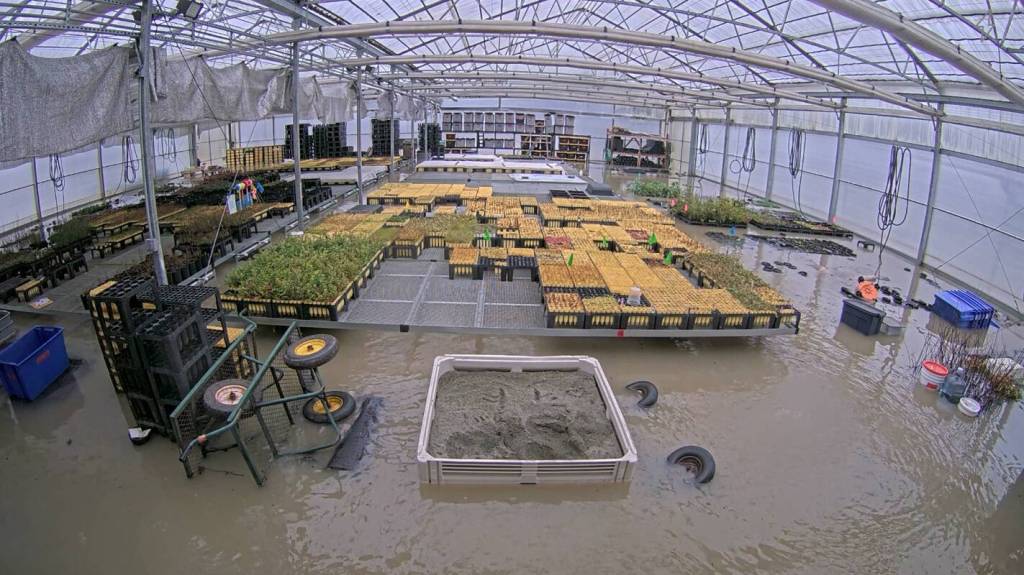


The lower Snoqualmie Valley’s Oxbow Farm will host its annual native plant sale, even after December’s flood washed away 16,001 plants.
The sale on May 2 will proceed with different pot sizes and varieties of plants than usual. More than that, the sale has been rebranded as the Spring Native Plant Fest, a family-friendly event with lawn games, workshops, nature crafts and a food truck. Workshops will cover topics like gardening with native annuals, using seasonal ingredients, making natural dyes and organic pest control.
“It’s going to be more of a celebration of the community that we all got through the flood season,” said Marinda Graham, director of native plants.
Technically named Oxbow Farm & Conversation Center, today the farm is largely known and used for its native plant nursery. Oxbow’s staff spends all year working hard to provide a variety of plants that will please both the home gardener and the local ecosystem.
But the flood that hit the lower Valley hard this past December wiped out months of growth, changing the farm’s course of action for the foreseeable future.
“The composition of the space is going to be different for a long time,” said Lea Dyga, native plant nursery manager.
The greenhouse plants that survived were those on the tallest tables, which is where the farm tends to store its baby plants, leaving them without any mature plants going into the new year.
“We transplanted all of our plants for the spring sale in the fall, and that all got washed away,” Dyga said. “So now it’s been trying to do this game of like, okay, well, what can we transplant that’ll turn around in a short enough time that we’ll actually have them for the spring?”
This year’s sale will include lots of four-inch potted plants, Dyga said, as well as some varieties not typically prioritized for sale, like red flowering currant and blanket flower.
“I would not usually grow this plant like this, but we have to be kind of scrappy and creative right now,” Dyga said. “Normally we would thin these [plants] out and compost them or give them away to the staff. … like, whatever, we have plenty. But we don’t have plenty.”
Losing months of work was emotional for the nursery team, Dyga said. They rearranged and reinforced the greenhouse to protect against flooding, and March’s event went a lot more smoothly.
“We overreacted [in March], but I’m glad that we overreacted,” Dyga said. “I would much rather come in the next day and be like, ‘Haha, we overreacted,’ then come in again and be devastated.”
The nursery team, with the help of volunteers, has also been busy cleaning up after the flood to ensure there isn’t any contamination, as the farm is certified organic.
Recent flooding has brought about a positive change as well, “if you can call it that,” Graham said.
“How full the whole nursery was, we didn’t have as much opportunity to look at what we were growing and why, because we just didn’t have the space to really pivot very quickly,” she said. “What we’re doing is looking at what we grow, and we’re leaning more toward drought-tolerant plants that can withstand more heat, the hardier species that really grow well.”
Oxbow is not just a native plant farm, though that is what it sells these days. At the beginning of 2025, Oxbow’s board made a decision to donate all the produce it grows to food banks and other nonprofit organizations.
This means Oxbow is no longer offering a community-supported agriculture model, in which customers pay for “shares” of the harvest and get regular boxes of produce, called CSA boxes.
Melissa Husby, director of engagement and development, said there are plenty of CSA offerings in the Valley, and Oxbow wanted to make fresh produce available to people who don’t typically have that resource.
The farm stand still operates as a retail area for plants, as well as a “welcome center” located right off of the Snoqualmie Valley Trail, Husby said. It is now open for the season and will be staffed every Saturday and Sunday from 10 a.m. to 4 p.m.
Kimmy Ortmann, native plant sales manager, encourages anyone exercising their green thumb to use native plants, which better benefit the local ecosystem and can withstand the local climate.
“The benefits of native plants are just tenfold because it’s part of the web of life,” Ortmann said. “The hummingbirds are able to feed on the nectar of the red flowering current, but also the leaves that they drop are then providing nutrients for their neighbors. There’s so much more interconnection with the native plants, with each other and with the wildlife, than ornamental plants that we’ve brought in can provide.”
Check it out: Oxbow’s Spring Native Plant Fest is May 2 from 10 a.m. to 4 p.m. Admission is free. Workshops are $5. Register at oxbow.org/visit/events/spring-native-plant-festival. The farm stand is open every weekend from 10 a.m. to 4 p.m.