Riverview teachers union hosts forum on state ?education funding
Published 4:07 pm Wednesday, July 1, 2015
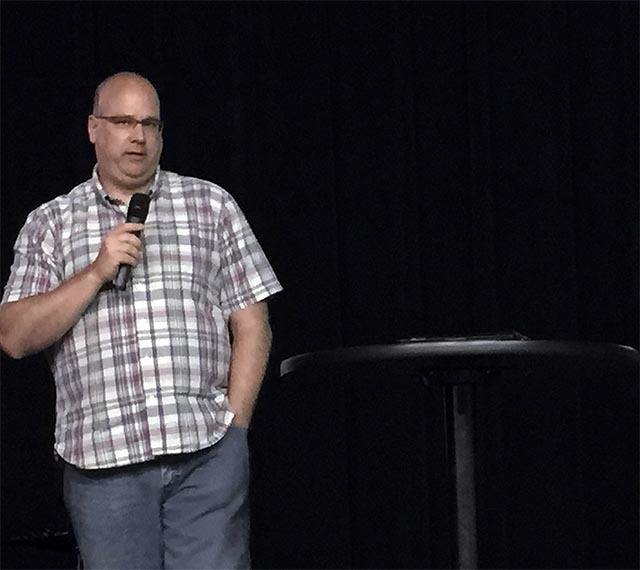
On May 26, the Riverview Education Association hosted a forum at the Riverview Educational Service Center focused on concerns with the state legislature and public school funding.
Panelists included Marc Hillestad, teacher and REA President; Christina Malm, political liaison and incoming president, and Kory Loresch, president of the Riverview Public School Employees organization.
Also presenting were Anthony Smith, superintendent of the school district and Bill Adamo, director of business and operations.
Hillestad said the Riverview School District’s mission is to “educate children.” He added that in looking at the increasing number of districts walking out in protest of inadequate educational funding proposals from the state legislature, the REA decided to not walk out but attempt to “educate” the community regarding state funding concerns.
Malm reiterated to participants that “…just because we are not walking out, does not mean we are happy.” She said Washington currently ranks 47th in the nation in average class size and 42nd in the nation regarding per-pupil spending.
Adamo discussed and clarified how levies are used at the district level and how they are part of the fabric of funding education. He expressed great concern about proposals to change the manner with which levy dollars are to be utilized.
At the heart of Adamo’s comments is Senate Bill 6109, which would transfer about $1 billion in voter-approved local school district levy funds to the state budget, where it would be used to pay for McCleary. The bill is controversial in that it allocates using funds in ways not approved by local voters when they approved their local levies.
Smith spoke about the school board’s positions on these issues and the timeline of the McCleary v. State of Washington court case, a lawsuit initially filed in 2007 by two families who asked the courts to order the state to fully fund education for all Washington children.
After the lawsuit was filed in 2007 failed at trial, the state appealed the decision. In 2010, the state Supreme Court ruled in favor of the plaintiffs and later found the state was in contempt of court for failing to fund education appropriately. Additionally, they retained jurisdiction over the case until 2018 to ensure the legislature met the court’s mandate.
Speaking on behalf of the school board, Smith shared their requests of the legislature: Ensure competitive public school employee compensation; fund additional facilities; provide funding for increased training related to evaluation reforms; fully fund legislative requirements and impose no new mandates
PSE president Kory Loresch reported that the state pays for 49 percent of the salaries and benefits of classified employees, with Riverview paying 51 percent through local taxes.
Hillestad concluded the forum with additional information. He mentioned the six-year absence of a cost-of-living adjustment) for teachers in the state, adding that for teachers who complete 16 years of teaching in the state, their salary tops out and can never increase unless increases are locally bargained. Without those increases, actual spending power for teachers has been calculated to have decreased by 13 percent over the last six years.
The REA concluded the forum by reiterating three key messages for lawmakers: Live up to the requirements of the McCleary ruling; reduce class size across all grades; and leave levy money in local schools with local control. The forum ended with a request that attendees contact their representatives and senators and let them know that teachers and schools have the community’s support.