WA under statewide drought declaration after ‘dismal’ snowpack
Published 1:11 pm Tuesday, April 14, 2026
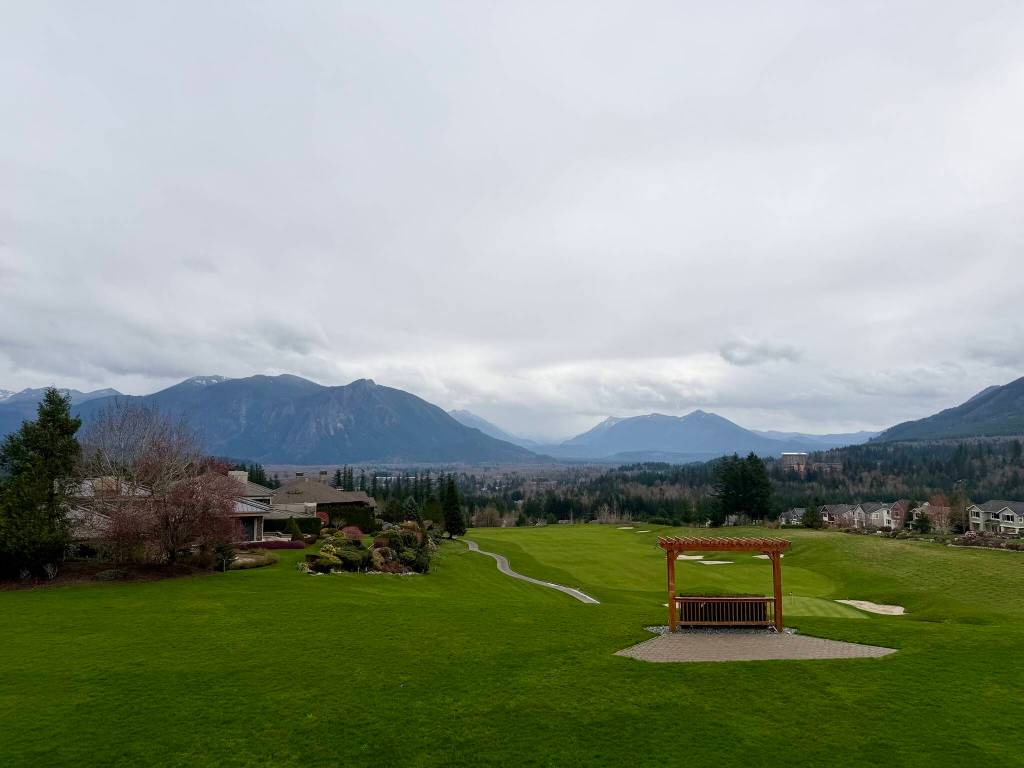
Despite a rather wet winter and two damaging floods, the Snoqualmie Valley should prepare for a dry summer and the consequences of such.
The Washington State Department of Ecology declared a statewide drought April 8, projecting that the state’s water supply will fall short this summer due to “dismal snowpack,” which currently sits at about 50% across the state.
Winter snowpack has a direct impact on summer conditions. In a healthy year, winter’s snowfall will melt gradually as temperatures warm, continuing to feed the rivers and replenish reservoirs. Without that water to rely on, farms and wildlife are at risk, and the state is at risk of a dangerous wildfire season.
The issue is not a lack of precipitation, but rather the wrong kind of precipitation. According to the Department of Ecology, Washington received 104% of its normal precipitation from October to February, but much of it fell as rain, even at higher altitudes. Additionally, statewide temperatures during that same time were the highest on record.
Things were looking up for a short while after March’s snowstorm, but warm rain soon after washed the snow away. Warmer-than-normal temperatures and less-than-usual rainfall are predicted to continue through June, according to Ecology.
“If you look at our mountains, the challenge we are facing is clear,” Gov. Bob Ferguson said in a news release. “We’re taking emergency action to protect fish, farmers and communities across Washington.”
Here in the Valley, those who work the land are preparing not only for drought, but for the “domino effect” it can have in the region, said Bobbi Lindemulder, a King County land use specialist who oversees Snoqualmie Fish, Farm and Flood. She referenced a severe drought in 2015, noting how many impacts it had in the region.
“Grass ran out early as pastures went dormant due to heat, which caused livestock producers to purchase feed much earlier in the year than usual. That in turn significantly increased farm operating costs as quality hay was in short supply with increased prices. Crops suffered, including feed corn and produce, for those farmers who didn’t have water rights for irrigation,” Lindemulder said.
“Droughts can create challenges with pest management and smoke from wildfires create health concerns for residents and farm workers, limiting the ability to manage fields and harvest crops. Combine those challenges with the struggle to recover from historic flooding in December 2025 and this could significantly set back our producers economically.”
Drought can be detrimental to the salmon population as well, as they need cold water to survive.
“This warm winter and low snowpack could mean warmer water and low flows in the Tolt, Snoqualmie and Raging rivers, making it difficult for Chinook, steelhead and other salmon to pass through this summer on their way to spawn and find the food and shelter they need,” said Elissa Ostergaard, salmon recovery manager for the Snoqualmie Watershed Forum.
It is still early in the season, but early preparation for drought is key, according to the Department of Ecology. And officially declaring drought allows Ecology to distribute drought emergency relief grants — $3 million total has been made available for such funding.
Residential water users should not be concerned, as local water utilities companies have been planning for this, according to Ecology.