
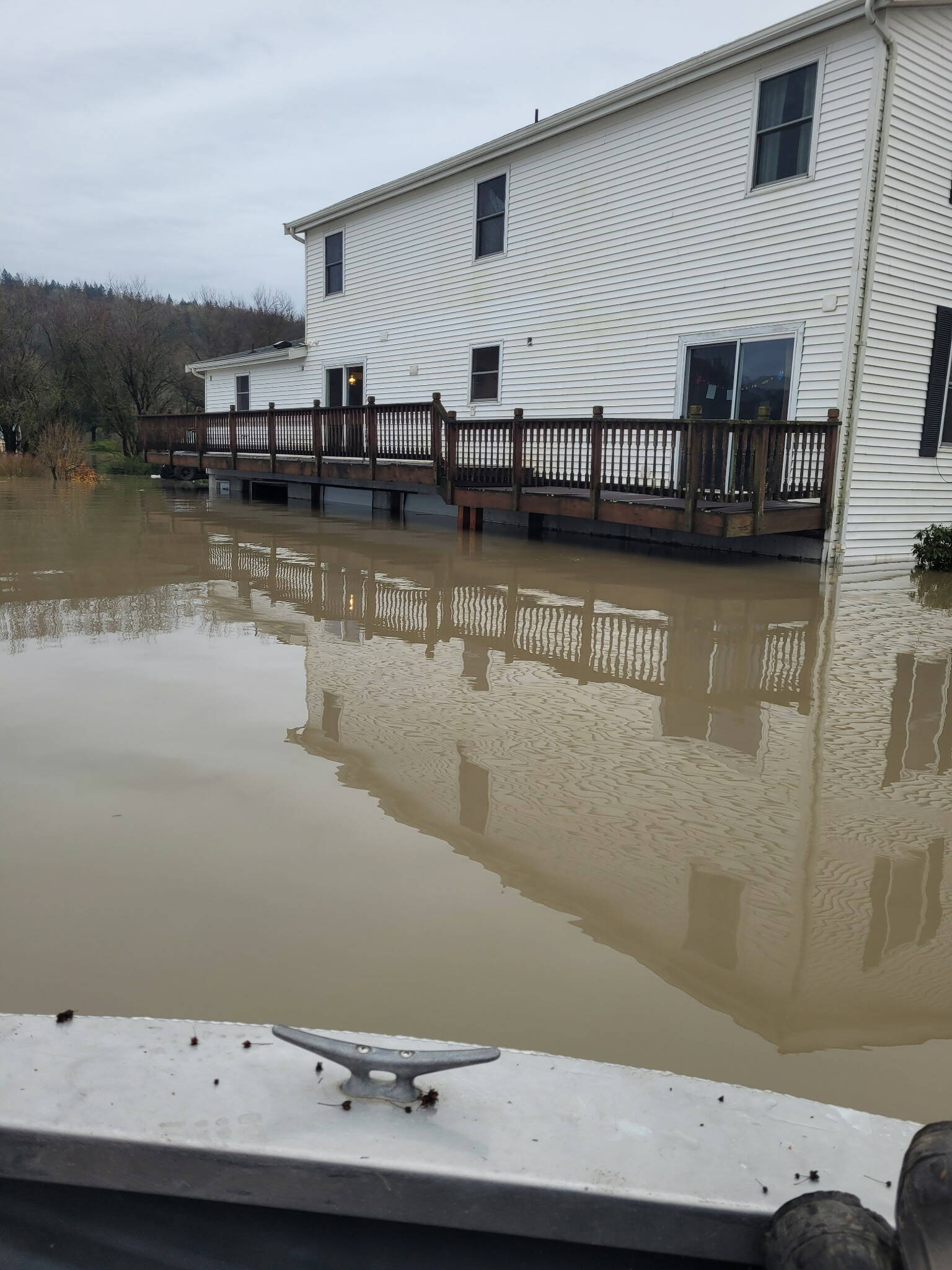
This historic season of flooding has been a reminder of what it really means to live in a floodplain.
As the Snoqualmie Valley continually increases its population, it’s important for newcomers — as well as long-time residents — to understand the risks of purchasing a home or property of any kind in an area prone to flooding.
According to Angela Donaldson of Hauglie Insurance in Fall City, there are three main steps to take before making this purchase.
1. Verify your flood risk via the King County map.
At gismaps.kingcounty.gov/iMap/, users can put in any address to see the property’s risks. By clicking the Layer List and selecting Flooding Info, users can see inundation areas. The map is color-coded to show the floodway, 100-year floodplain, 500-year floodplain and areas with a reduced risk due to a levee. This information is according to Federal Emergency Management Agency (FEMA).
2. Discuss coverage options with your insurance agent.
If you go ahead with purchasing in a floodplain, it is highly recommended to get flood insurance. Flood insurance is available privately at agencies like Hauglie Insurance, as well as through the National Flood Insurance Program (NFIP) managed by FEMA. Many Snoqualmie Valley residents are eligible for discounted NFIP insurance because of the mitigation efforts taken by their local government. For more information on NFIP, visit fema.gov/flood-insurance.
3. Make a flood preparedness plan.
The King County Flood Control District has a “Be Flood Ready” guide available online. Before a flood, it is important to sign up for flood alerts; have an emergency plan and evacuation route; and safeguard your property. During a flood, residents should shut off utilities; adhere to emergency alerts and closures; and monitor for evacuation notices. After a flood, the guide says to wait for the all clear before re-entering the home; have a professional check utilities before turning them back on; and document the damage, both for you and your insurance agent.

