Duvall council, mayor candidate Q&As | Election 2025
Published 3:17 pm Monday, October 20, 2025
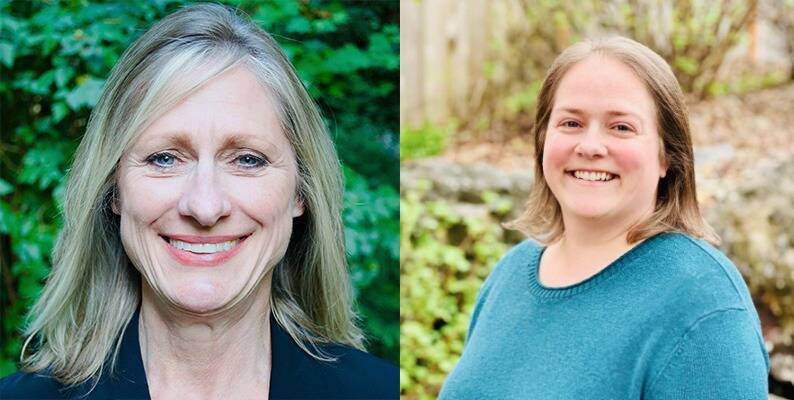
In the Nov. 4 general election for mayor of Duvall, Amy McHenry is facing Alana McCoy. Adam Olen is facing Sara Taylor for Duvall City Council Position 1, Daniel Corkrey is facing Loren Kosloske for Position 3, and Jenn Hernandez is facing Paul Wiggins for Position 6. King County Elections mailed out ballots to registered voters on Oct. 15.
The Snoqualmie Valley Record sent out questions to each candidate, and here are their responses.
Duvall mayor — Amy McHenry v. Alana McCoy
Tell us about yourself and why you are running for mayor.
McCoy: My husband and I moved to Duvall 40 years ago. We raised our two daughters, both of whom married their high school sweethearts, and are now proud grandparents to four grandchildren. Early on, I became actively involved in volunteering for both city functions and church activities. This transitioned into a professional role, resulting in a 30-year career with the City of Duvall, 5 years as a reserve police officer and 21 years as a project manager in public works. My experience included managing the Duvall Civil Service Commission, Duvall Cultural Commission, Big Rock Ballfields user groups and Dougherty Farmstead listed on the National Historic Registry. Through these experiences, I have developed a strong understanding of the community’s values and needs. Additionally, I have operated a business on Main Street for 37 years. Since moving to Duvall, I have watched and respected the mayors who have served our city, closely observing the best qualities they brought to Duvall and how they engaged with the community as dedicated public servants. Their commitment to the community inspired me, and I have always aspired to follow in their footsteps by serving the citizens of Duvall.
McHenry: Duvall has been my home for more than 13 years — it’s where I’m raising my family, built friendships, started my small business, and given back to the community that means so much to me. Over the past eight years on City Council, I’ve worked hard to listen, learn, and make thoughtful decisions that reflect our shared values and priorities. I’m running for mayor because I care deeply about Duvall and believe our city needs steady, experienced, and compassionate leadership as we navigate what’s next. I want to protect what we love most about our small-town character while making sure we’re planning wisely and responsibly for the future. That means maintaining our infrastructure, supporting local businesses, ensuring public safety, and improving how we serve residents — all while keeping our city financially stable and transparent. It also means working closely with regional partners, city staff, and the community to find practical, forward-looking solutions to the challenges we face. This isn’t about politics — it’s about service. I’m ready to keep showing up, listening, and leading with heart so Duvall continues to thrive for everyone who calls it home.
What issue or issues do you see as the most significant challenges over the next few years? Tell us why you are uniquely qualified to handle or find a solution to these issues.
McCoy: With considerable development in and around the city, there have been no improvements made to the two-lane roads leading into and out of Duvall. My goal is to collaborate with agencies who I have worked with in the past and make sure the city is recognized as high priority for improvements to be made at intersections across the valley. Immediate improvements are not only critical for public safety and reducing accidents but essential to reducing gridlock. Road improvements will continue on Main Street and 3rd Avenue and I will use my grant writing experience to find additional funding to support these projects. Duvall is also experiencing a fiscal crisis, with city expenditures exceeding revenue. As a result, the city has been forced to dip into its reserves. As mayor, I will ensure that the city spends within its means and that tax dollars are managed wisely. By observation, understanding the city audit and knowing efficiencies in departments from past employment, I will identify waste and request necessary cuts. Recognizing that residents are already financially stretched, I am committed to ensuring that we are heading in the right direction to maintain a healthy financial future.
McHenry: Duvall faces several challenges as we grow: traffic congestion, fiscal sustainability, infrastructure demands, affordable housing, public safety, and maintaining our community character. Each of these requires thoughtful planning, collaboration, and strategic investment to ensure we meet the needs of today while preparing for tomorrow. My experience as a City Councilmember, Mayor Pro Tem, and a small business owner, combined with years of community involvement, gives me a unique perspective on these issues. I’ve worked with residents, businesses, and regional partners to find balanced solutions, and I understand the complexities of city budgets, planning processes, and local regulations. I prioritize listening first, so policies reflect what the community truly needs, not just what looks good on paper. I have a track record of building partnerships, fostering transparency, and tackling tough issues with practical solutions that make a real difference. My goal is to ensure Duvall grows responsibly, remains safe and accessible, and preserves the small-town qualities that drew us here. At the same time, I want to prepare our city to meet the challenges the next decade will bring- keeping our community connected, vibrant, and livable for everyone who calls Duvall home.
How would you balance the need for economic development and more affordable housing with sustainability and preserving our community’s small-town feel?
McCoy: I would encourage mixed-use developments, where housing and small businesses can co-exist while making neighborhoods walkable and reducing traffic.
McHenry: Balancing the need for economic development and affordable housing with sustainability and Duvall’s small-town character requires thoughtful planning and community-centered decision-making. Growth must be managed in a way that preserves the qualities that make our city special. Economic development and affordable housing are closely connected. Local businesses often struggle to fill positions because workforce housing is limited, so providing homes people can afford supports both residents and our local economy. At the same time, we must protect open spaces, maintain parks and trails, and ensure neighborhoods remain walkable and connected. Sustainability isn’t just environmental—it’s about long-term livability, resilience, and planning for a city that works for everyone. By working closely with residents, businesses, developers, and regional partners, we can encourage growth that aligns with community values rather than undermining them. My approach is practical and rooted in dialogue. I focus on making deliberate choices about where, how, and at what scale we build, ensuring that Duvall grows responsibly, remains vibrant and accessible, and preserves the small-town character we all cherish.
In your opinion, is the city headed in the right direction? If yes, what is it doing well? If not, what needs to change?
McCoy: With ongoing budget and transportation challenges, it’s clear that change is needed to move Duvall forward. My focus is on listening to our community, building trust, and making responsible sustainable decisions that support a healthy future. Duvall is a special place with so many positive qualities that make it unique and I am committed to helping those strengths continue to flourish.
McHenry: Duvall is moving in the right direction in many ways. Our city continues to provide quality public services, foster strong community engagement, and maintain a sense of connection among residents. We have dedicated staff and council members committed to serving the community effectively, and their work has laid a strong foundation for the city’s continued growth. That said, growth brings new pressures. Traffic management, infrastructure upkeep, fiscal sustainability, and housing affordability are areas that require ongoing attention, creativity, and innovation. We should celebrate the progress we’ve made while also acknowledging where improvements are still needed. By prioritizing smart planning, open communication, and thoughtful investment, we can address these challenges while preserving the character that makes Duvall special. Our future success depends on maintaining a balance between managing growth, keeping our community safe and connected, and ensuring a high quality of life for all residents. Leadership requires both reflection and action, and I am committed to guiding Duvall forward in a way that builds on our strengths, incorporates resident input, and prepares our city to meet the challenges and opportunities the next decade will bring.
What do you believe is the role of the mayor in the town’s operation, versus other elected officials?
McCoy: The mayor provides leadership to all city departments and oversees the daily operations. While the city council sets policies and passes ordinances, the mayor is responsible for implementing those decisions and ensuring they are carried out effectively. The mayor plays a key role in preparing and managing the city’s budget, aligning it with council-approved priorities. As the face of the city government, the mayor represents Duvall in regional and intergovernmental matters and communicates with residents about city initiatives. Council members represent the interests of the community at large and engage with residents to shape policy decisions. They monitor the mayor’s execution of policies and ensure transparency and accountability in city operations.
McHenry: The mayor’s role is to provide leadership, coordination, and vision while serving as the public face and advocate for Duvall. While city council members focus on legislation and setting policy, the mayor’s job is to put those policies into action — overseeing city operations and ensuring that our work truly serves the community. The mayor should be out front, championing Duvall’s priorities with regional partners and representing our city’s interests at every level. This includes setting clear goals, engaging with residents, collaborating with staff, and building partnerships that bring resources, expertise, and opportunities to our community. The mayor must also listen closely to residents, facilitate dialogue, and ensure that city decisions reflect shared community values. Effective mayoral leadership isn’t about unilateral control — it’s about collaboration, transparency, and turning our community’s vision into tangible results. By providing steady, inclusive, and visible leadership, the mayor helps Duvall navigate challenges, plan thoughtfully for growth, and preserve the small-town spirit that makes our city special. Strong leadership also means preparing for the future, anticipating community needs, and ensuring that Duvall remains a vibrant, connected, and welcoming place for everyone who calls it home.
—-
Council position 1 — Adam Olen vs. Sara Taylor
Editor’s note: Sara Taylor’s campaign did not respond to the Snoqualmie Valley Record’s Q&A request.
Tell us about yourself and why you are running for City Council.
Olen: 20+ years ago, I founded Our Olive Branch, a consulting company focused on helping non-profit organizations and small businesses be more effective. I have served as a senior leader in Finance, Operations, and Communications & Marketing. I named my company Our Olive Branch because I wanted my vocation, and those that worked with me, to be a peace offering to our world – something that enhances our shared experience, balances the ecosystem, builds a sustainable economy, and just makes living a bit easier and more fun. That personal mission continues today, though now I also get to exercise that mission through public service on our City Council. I am running to retain my seat because I love the work. Being part of the team that helps care for our city, engaging with other local leaders for Duvall’s benefit, planning, decision making, and shaping our collective future with people, planet, and place in mind, inspires me daily. To me, living in Duvall feels like being in on an incredible little secret. I want to help keep, and even enhance, that feeling for all of our residents and businesses.
How are you currently involved in the community?
O: Following a thorough vetting process, I was appointed to serve on Duvall’s Council in April. Since, I have provided updated contractual language in our interlocal agreement with Woodinville Fire increasing transparency and accountability, added language to our social media policy safeguarding against the spread of misinformation and clarifying crisis communication, incorporated ADA provisions into Duvall’s film policy, and drafted a forthcoming Council Code of Conduct underscoring our commitment to professionalism and mutual respect, with a goal of building trust and operating well as a team. I balance fiscal prudence with supporting Duvall’s nonprofit organizations, events, parks, staff, and first responders. I’ve also advocated to county officials for more support for our parks and roadways, signed letters of support for protecting national parkland, regularly participated in public official trainings, and attended regional governance meetings. Before joining council, I coached several youth sports teams, volunteered with and donated to local organizations, and I run a Duvall-based consulting business that contracts with other local vendors. My family has provided food and shelter to others in times of need. I shop and dine local as much as possible, and I do my best to get my teen driver to stop completely at every stop sign.
What issue or issues do you see as the most significant challenges over the next few years? Tell us why you are uniquely qualified to handle or find a solution to these issues.
O: We’re facing several overlapping challenges. First, funding cuts are cascading down from the federal level through the state and county, and cities like Duvall are already feeling the effects. Second: traffic. With just two ways in and out of town and more people returning to in-person work, commute times are only getting worse. Third, we are under state and county mandates to grow, which includes adding housing, affordable options, emergency shelter capacity, and local jobs. These pressures are coming whether we like them or not. My professional background includes helping organizations navigate complexity while staying aligned with their values. I’ve launched small businesses, opened restaurants and big box stores, and served as a fractional executive in finance, operations, and communications. I know how to bring people with different priorities together to make informed, values-based decisions under real-world constraints. While I don’t believe there’s a perfect formula, my goal is to show up with humility, ask the right questions, and help make choices that reflect who we are and what makes Duvall special. I care deeply about this community, and I’ll continue listening, learning, and doing the work to represent it well.
How would you balance the need for economic development and more affordable housing with sustainability and preserving the community’s small-town feel?
O: This really is the challenge of our time. Balancing economic development, housing needs, sustainability, and community character is possible, but it requires careful and conscious planning. Many folks in Duvall wish to resist growth at all costs, and I can relate. I love this town, and I’m also concerned about how changes could affect its character. But the reality is we have specific requirements to satisfy, and some growth is inevitable. However, if we engage the process thoughtfully, we can ensure it happens in ways that reflect our shared values. When we think about small-town feel, many think of geographic size, but that does not really tell the story. Instead, think about whether it feels safe letting kids ride their bikes around town, whether we’re surrounded by trees, plants, and local art, and whether people still say hello at the store. It’s a feeling of pride, safety, and connection. We can grow and still protect that feeling. That means growing at the right pace, using land responsibly, and building public spaces people truly enjoy. Tactical levers include building codes, deliberate planning, community events, and working transparently with all stakeholders. If we lead with intention, Duvall can stay uniquely Duvall.
In your opinion, is the city headed in the right direction? If yes, what is it doing well? If not, what needs to change?
O: Overall, we are doing well. Everything’s not perfect, but I’ve seen how much care and effort goes into doing right by the community. Our city staff work incredibly hard, and council members, even when we disagree, are here because we care deeply. We’ve made real progress in expanding community events, supporting our parks and natural spaces, and maintaining the charm of our downtown. A video circulated recently where a visiting influencer commented on how obvious it is that people take pride in this town. That’s no accident. It’s the result of intentional work by the city and the community. That said, we can do better in how we manage growth and how we communicate the reasons behind it. Much of the growth is required by state and county mandates, but I don’t think that’s always clear. We can also better support our local businesses during city events, making sure the energy and spending stay in town. Reducing resentment means being more transparent, proactive, and thoughtful in how we plan, engage, and explain what’s happening and why. I’m optimistic at the local level. Broader, macro-level impacts concern me most, and strong leadership will help us meet whatever comes next.
—-
Council position 3 — Daniel Corkrey vs. Loren Kosloske
Editor’s note: Daniel Corkrey’s campaign did not respond to the Snoqualmie Valley Record’s Q&A request.
Tell us about yourself and why you are running for City Council.
Kosloske: I’m running for Duvall City Council to help guide our community in a way that protects our small-town character while preparing for the future. My work on the Duvall Planning Commission, along with running a small business and working in the tech industry, has given me a grounded perspective on both innovation and practicality. I’ve managed large budgets and complex projects, experience that translates directly into making thoughtful, transparent decisions for our city. My priorities are strengthening and expanding housing options, investing in infrastructure that supports Duvall’s long-term vision, and lowering barriers for both new and existing local businesses. Growth is inevitable, and we need to manage it responsibly so that both housing and commercial development strengthen our community while keeping what makes Duvall unique.
How are you currently involved in the community?
K: I serve on the Duvall Planning Commission, where I work on issues related to growth, zoning, and long-term planning. This role has given me a close look at how our city is preparing for the future and how decisions today impact not only residents but also local business owners. I have also been active in my neighborhood HOA, where my focus has been on bringing people together from all walks of life, strengthening connections between neighbors, and improving our shared spaces in ways that make the community more welcoming and enjoyable. As a small business owner both locally and across King County, I understand the challenges entrepreneurs face and the importance of building an environment where businesses can thrive. My involvement has always centered on listening, learning, and working to make decisions that reflect the needs and values of the Duvall community.
What issue or issues do you see as the most significant challenges over the next few years? Tell us why you are uniquely qualified to handle or find a solution to these issues.
K: Historically, Duvall’s biggest challenge has been housing growth. We’ve seen large master-planned communities and townhome developments built and the strain that comes with rapid residential expansion. Now we are entering the next phase, which is commercial growth. The challenge ahead is how to welcome small and medium-sized businesses that support our community while carefully shaping new business districts so we preserve the character and feel of Duvall. At the same time, housing affordability remains a pressing issue. Too often, city staff, police officers, and social service providers cannot afford to live in the community they serve. That is not sustainable. Bringing down the cost of housing, encouraging responsible commercial growth, and protecting the overall feel of the city are all essential to ensuring Duvall thrives not just in the coming years but for the next generation. I am uniquely qualified to help guide this work because of my experience on the Duvall Planning Commission, where I’ve worked directly on growth and zoning issues, my background managing large budgets and complex projects in the tech industry, and my perspective as a small business owner. This combination gives me the tools to approach growth holistically and ensure decisions are practical and community-driven.
How would you balance the need for economic development and more affordable housing with sustainability and preserving the community’s small-town feel?
K: Economic development, affordable housing, sustainability, and preserving our small-town feel are not trade-offs. With thoughtful planning, we can achieve all of them together. Creating more affordable housing is essential so that as new restaurants and businesses open, the people who serve our community, from police officers to city staff to restaurant workers, can live and work here. At the same time, we need to make it easier for new businesses to start and grow in Duvall, expanding commercial options that give residents more local choices and encourage people passing through to stop and spend money in town. When it comes to sustainability and preserving our character, growth must be tied directly to protecting the valley, our natural resources, and the views that make this place special. New commercial spaces and economic zones should connect to the community’s feel with trails, parks, open spaces, and walkable design. With thoughtful planning, we can keep Duvall’s small-town character true while also enhancing and extending it across the city as we inevitably grow.
In your opinion, is the city headed in the right direction? If yes, what is it doing well? If not, what needs to change?
K: Duvall is doing many things well, such as investing in parks, supporting public safety, and building community spirit. That spirit shows through events like Duvall Days, the SummerStage concert series, and cultural celebrations that bring people together. The city is also in a strong budget position, which allows us to plan ahead rather than simply react to growth pressures. Challenges remain around housing, infrastructure, and pressure from commercial developers, much of it focused on Main Street. Development along our core corridor can strengthen Duvall, but only if it reflects our long-term vision and preserves the small-town feel of our community. We must be ready to push back against projects that do not align with those values. The city can do more to communicate openly with residents and business owners and to use its budget strategically for roads, utilities, and services that support residential and commercial needs. With thoughtful planning, we can protect what makes Duvall unique while enhancing and extending its small-town character. I am ready to lead this work through my Planning Commission service, my experience managing budgets in tech, and my perspective as a small business owner.
—-
Council position 6 — Jenn Hernandez vs. Paul Wiggins
Editor’s note: Paul Wiggins’s campaign did not respond to the Snoqualmie Valley Record’s Q&A request.
Tell us about yourself and why you are running for City Council
Hernandez: I’ve lived in Duvall for just over 10 years and quickly fell in love with its quirky charm, creative energy, and welcoming people. I’m running for City Council to help preserve and build on that character, especially as the city continues to grow. As a single woman living alone, I’ve experienced firsthand how challenging it is to find and afford housing here. That personal experience motivates me to work for policies that make Duvall more accessible for people at all life stages, whether they’re just starting out, raising a family, or hoping to retire here. I’m committed to keeping Duvall vibrant, inclusive, and true to itself: a place where creativity thrives and people can afford to live.
How are you currently involved in the community?
H: I currently serve as chair of the city of Duvall’s Cultural Commission. We’ve helped bring art to public spaces, including the restored Duvall Trolls, the Greetings from Duvall mural, and Birds of the Snoqualmie Valley, a student-led project. More projects are coming that continue to celebrate our unique identity. I also serve on the board of A Supportive Community for All, a local nonprofit focused on equity and access throughout the Snoqualmie Valley. We connect residents in need with vital resources. Both roles reflect my passion for building a Duvall that’s not only creative and connected, but also compassionate and inclusive.
What issue or issues do you see as the most significant challenges over the next few years? Tell us why you are uniquely qualified to handle or find a solution to these issues.
H: Duvall is growing, and with that comes the challenge of preserving our small-town identity. Growth is inevitable, and without thoughtful planning, we risk losing what makes Duvall special. As chair of the Cultural Commission, I’ve worked to highlight and protect Duvall’s unique character through public art and community-driven projects. In City Council, I want to take that further by helping guide growth in ways that reflect our values. I’m originally from the Texas Hill Country, a collection of small towns that faced similar pressures from nearby city expansion. I’ve seen what worked and what didn’t. I believe we can grow and change without losing who we are, and I want to help lead that conversation.
How would you balance the need for economic development and more affordable housing with sustainability and preserving the community’s small-town feel?
H: We need a mix of housing options that support both current and future residents. Right now, Duvall lacks affordable choices for young adults, single individuals, and empty-nesters. That gap forces people to leave the community they love. Encouraging smaller, more sustainable housing, like cottages, townhomes, or starter homes, would help meet the needs of both new families and older residents looking to downsize. These homes can be thoughtfully designed to fit into Duvall’s character while supporting sustainability and affordability. Growth and development don’t have to mean losing our identity. If we prioritize smart design and community input, we can welcome new neighbors while ensuring the people who already call Duvall home can continue to stay.
In your opinion, is the city headed in the right direction? If yes, what is it doing well? If not, what needs to change?
H: Yes, I believe Duvall is moving in the right direction. Over the past 10 years, I’ve seen growth handled with care. New residents have joined our community, but we’ve still managed to maintain our small-town charm. City efforts to invest in public art and community spaces have helped reinforce Duvall’s identity even as we change. That balance isn’t easy, but it’s possible. And I want to help continue that thoughtful approach. As we face new challenges around housing, infrastructure, and growth, I believe it’s more important than ever to focus on preserving what makes Duvall special, while ensuring we remain a welcoming and affordable place for everyone.