A Tolt Dam failure is unlikely, but not impossible
Published 3:00 pm Friday, November 14, 2025




When the Tolt Dam alarm went off in July 2020, Jim Ribail was on Redmond Ridge, but his daughter was at home in Carnation.
His daughter called, notifying him of the alarm. After telling her to evacuate, the council member called City Hall, learned the alarm was not a test, and raced back down into the valley to track down the rest of his family.
“My wife … was trying to get to Evacuation Hill with my kids, and I couldn’t get a hold of her, and she couldn’t get a hold of the kids,” he said, “and the roads are totally, totally jammed up and blocked completely. So the amount of worry and the amount of stress was unbelievable.”
The alarm sounded for 38 minutes before managers of the dam were able to shut it down. Residents later found out that the Tolt Dam had not failed, but rather its control panel had malfunctioned.
Unfortunately for the residents of Carnation, the alarm falsely went off several more times between 2020 and 2024. In April 2024, the city of Carnation and Seattle Public Utilities (SPU) — the dam’s owner — decided to turn the alarm off until the system could be assessed.
But by that time, the alarm had become somewhat of a boy who cried wolf. Ribail, also Carnation’s mayor, said during three of the false alarms, he went to Evacuation Hill — a dedicated piece of higher ground for residents to gather — “and no one showed up.”
“People just stopped evacuating the city because it didn’t mean anything,” he said.
About the Tolt Dam
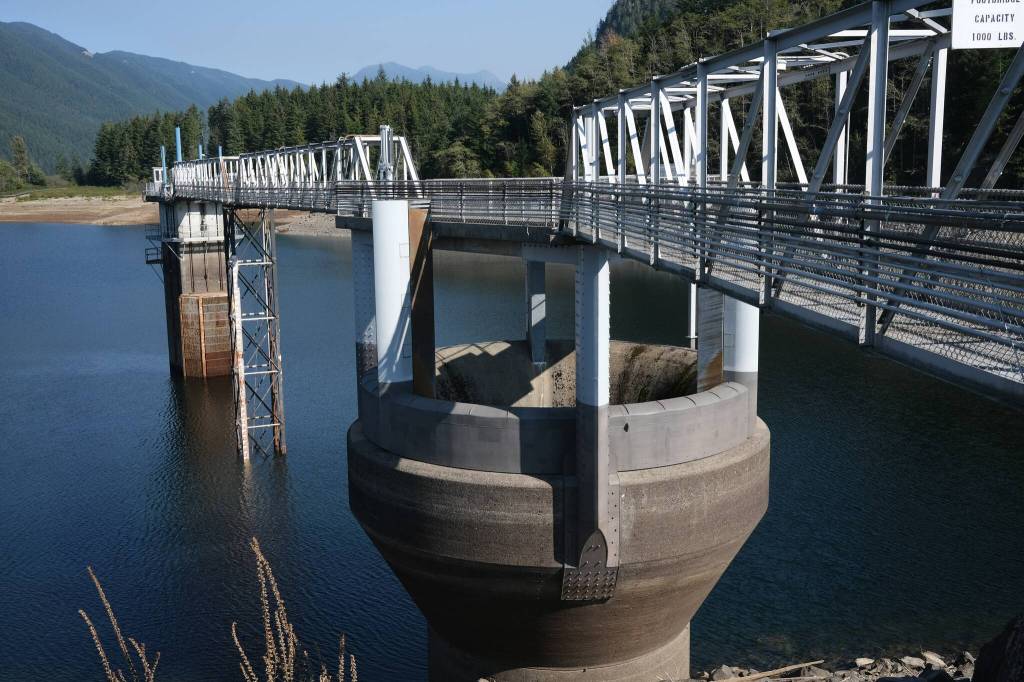
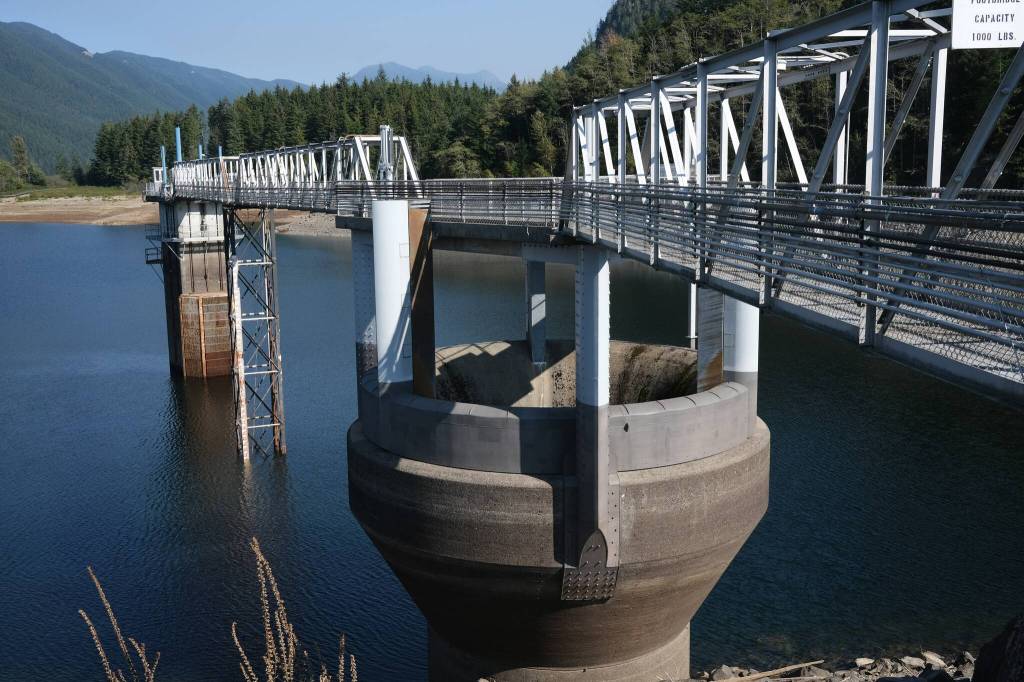
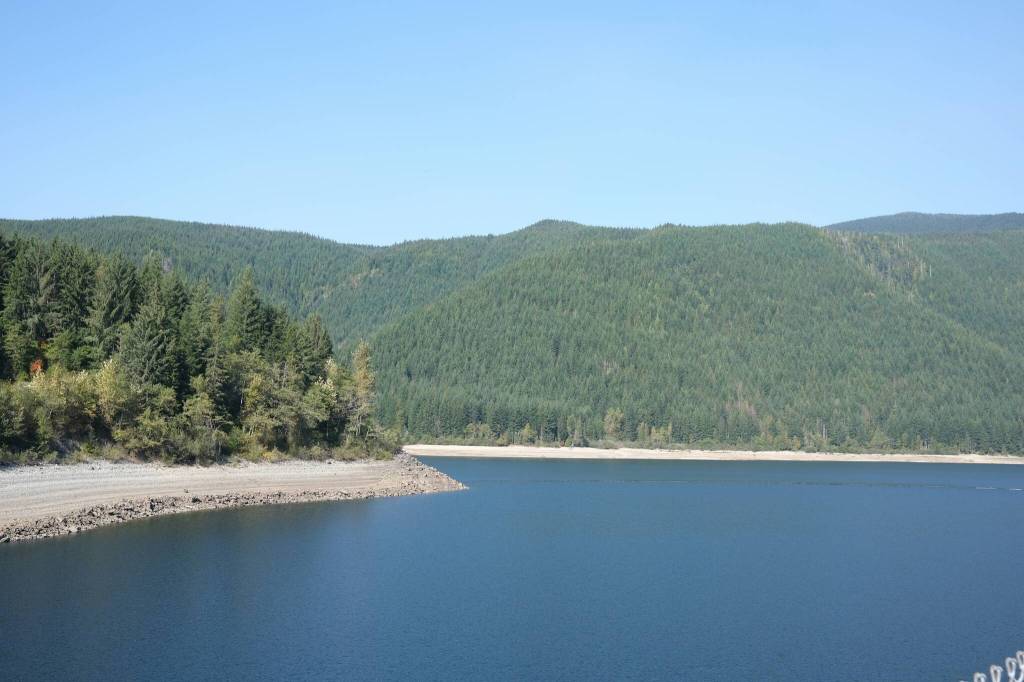
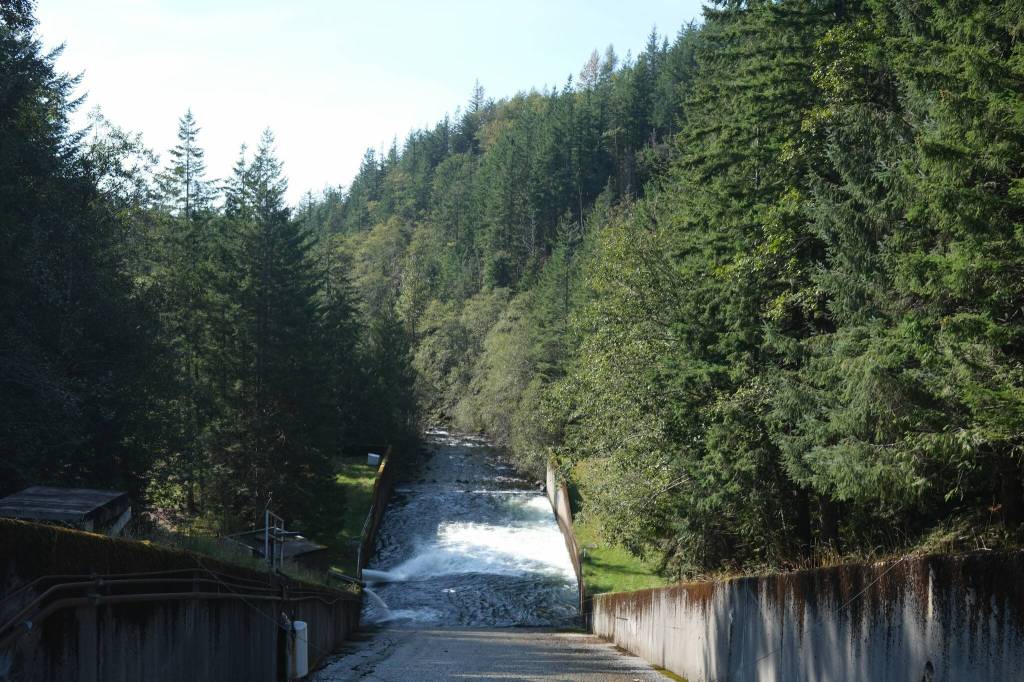
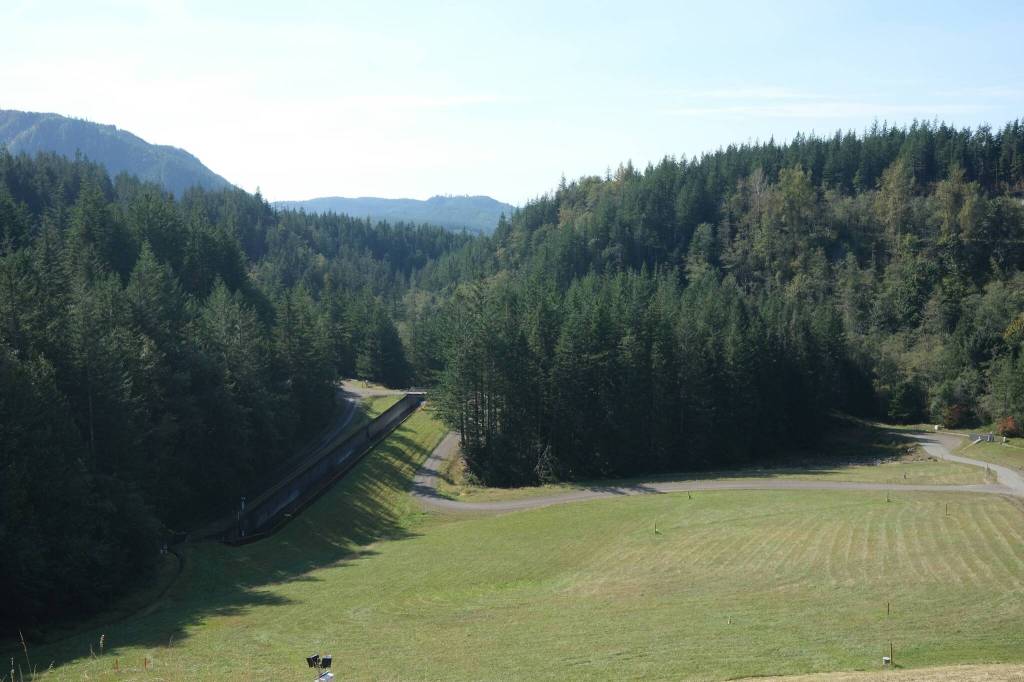
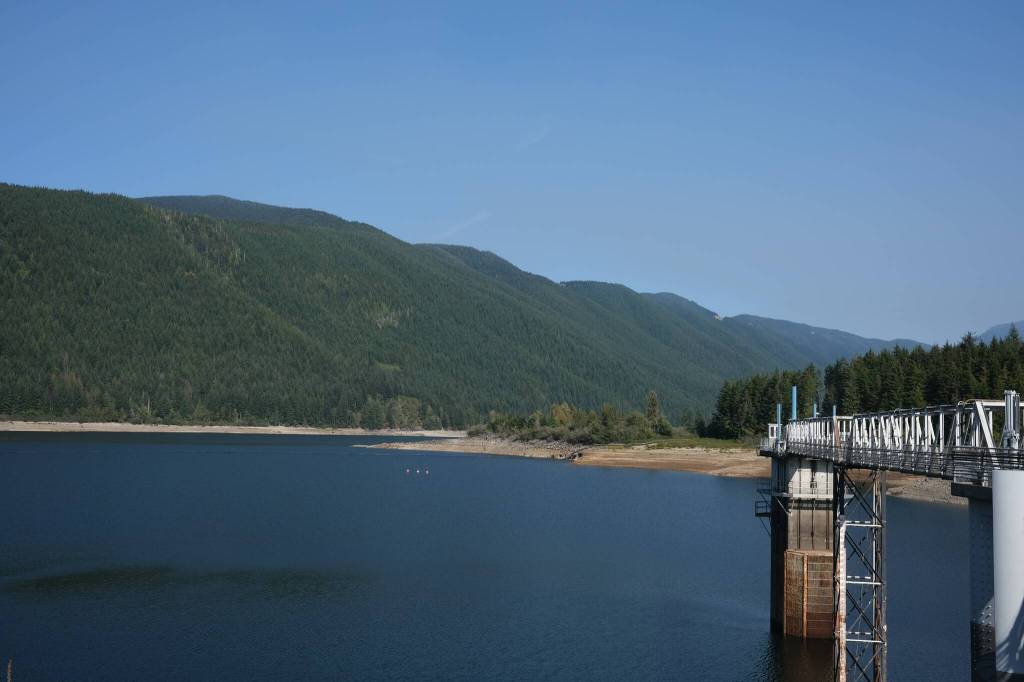
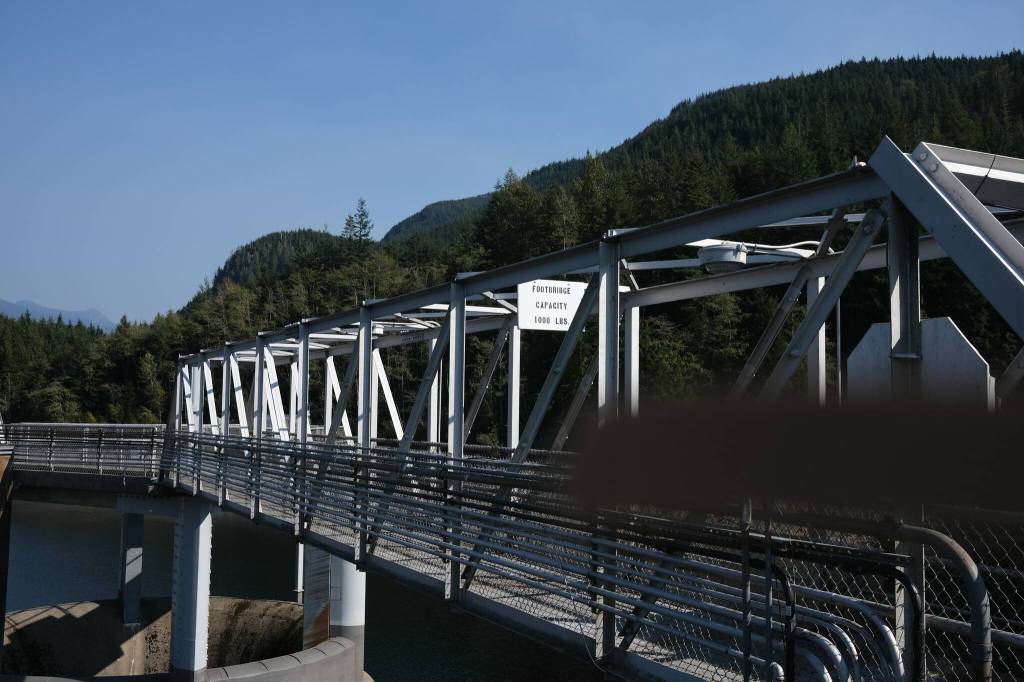
The South Fork Tolt River Dam, completed in 1962, sits high above Carnation in the foothills of the Cascade mountains. Its reservoir stores up to 57,900 acre-feet of water and makes up 30-40% of the drinking water supplied by Seattle Public Utilities.
According to Alex Chen, a deputy director for SPU, the Tolt Dam mainly exists for water supply, supplying both drinking water for people and to maintain stream flows year round for the fish. The dam is also used for hydroelectric power and flood mitigation, as the Tolt River is a tributary of the Snoqualmie River.
“The dam can hold water up to 1,765 feet above sea level,” he said. “And then the bottom, if we go all the way empty, is around 1,660.”
There are three seasons of water supply, Chen explained. In the wintertime, the reservoir sits below full so it can catch water in the case of flood conditions. In the spring, the reservoir gets filled up in preparation for the dry season. And in the summer, it releases water to help with drought, both for people and the salmon.
“We’re able to mitigate a lot of the river flows on the South Fork because of the presence of that dam,” Chen said, “and I think sometimes that’s under-appreciated.”
SPU staff are monitoring and tending to the dam seven days a week, all year long, Chen said. The team devoted to the dam, he said, is quite large, and includes trained hydrologists and engineers who are monitoring for potential risks and safety issues.
“Every second of every day, we have a staff of water system operators who are watching the dam, as well as the rest of the water system,” he said. “They can see the dam on camera, they’re looking at the river flows upstream and downstream to see if there’s unusual releases from the dam. They’re looking at the reservoir level.”
The city of Carnation requested the dam have a siren alarm system, which was originally run by King County. The city of Seattle took it over in 1981, and maintains it today.
“There was talk of Carnation taking over the siren management, but there’s no way that we can do that,” Ribail said. “And it’s really not our responsibility to do that anyway. We get zero benefit from the dam and all the risk.”
Though the dam supplies a lot of drinking water, it supplies none to the city of Carnation. This is because the pipeline doesn’t reach, Chen said.
While Carnation is unable to maintain the alarm system itself, its leaders insist on having it. Carnation is a high-recreation area, Ribail said, and people who are out hiking or on the water won’t necessarily have access to phone alerts.
But the siren is only a benefit if it goes off properly and is taken seriously when it does, Ribail said.
“It’s been a five-year process of [SPU] getting the new sirens in place, getting them up and working properly, and having a commitment to manage those systems on an ongoing basis moving forward,” Ribail said.
In the event of a dam failure
If there were to be a failure of the Tolt Dam, it would cause “catastrophic damage,” the city of Carnation has reported, as well as immediate evacuation of Carnation and surrounding areas.
A failure of the Tolt Dam is unlikely, but not impossible. In the case of that failure, Chen said, those monitoring the dam would know promptly and would send out warnings in multiple fashions.
Ribail said the inundation zone is geofenced, so anyone in the area will get a cellphone alert if there is a failure of the dam, regardless of if they have signed up for alerts. Residents are also alerted to emergencies through cellphone alerts, reverse 911 calls, dialing of landlines, the radio emergency alert system and weather alerts, all of which were still operating while the alarm was turned off.
Carnation is about two hours downstream of the Tolt Dam, meaning it would take the water about two hours to reach Carnation in the event of the dam being “catastrophically destroyed.” The water would hit Duvall in about three hours and Fall City in about four, according to King County maps.
Chen said inundation levels could vary from 1 foot all the way up to 20 feet in certain locations. But if a failure of the Tolt Dam were to happen, he said, the release would be rather predictable.
The Tolt Dam is an earthen dam: rather than being made of concrete, like the Hoover Dam, it is made of compacted soil with a center of bentonite clay, which is impervious to water. For earthen dams, Chen said, a failure tends to be more slow and predictable than what people may expect.
“For earthen dams constructed the way ours are, the failure mode is not a catastrophic one,” he said. “Typically, it’s not the kind of movie-like huge failure where a wall of water comes down at you.”
Moving forward
After a third-party assessment, SPU turned the alarm back on this month. It will now only be tested once a year, during Carnation’s annual Be Dam Ready event and emergency preparedness drills.
Leaders hope that limiting the alarm’s testing will ensure it is taken more seriously when it does go off.
Though the alarm is back on, the conversations surrounding it are not over. The city of Carnation will continue working with SPU to find a path forward that is best for the small community, according to a statement issued by Carnation in August.
In the statement, the city explained its issues with the third-party assessment, among them that the city believes there are critical gaps in alert accessibility, and that there exists no comprehensive study telling how long it would take for Carnation to evacuate its residents.
“The people that did the report were quote, unquote, experts on dams, but they weren’t experts on evacuation and emergency management and things that would happen there,” Ribail said. “So there’s a lot of that report that as a city, we do not agree with the perspective at all.”
Carnation and SPU have also come to an agreement that the city of Seattle will pay Carnation $500,000 for damages, Ribail said. The council is still discussing how to appropriate the funds, but a portion will go to conducting an evacuation study. Other ideas include making Evacuation Hill more ADA accessible and providing counseling sessions to residents.
As the assessment was independently conducted, neither SPU nor Carnation are required to follow any of the recommendations. Together, the two jurisdictions will decide what recommendations make sense for them to follow.
The city of Carnation is also on a journey to rebuild trust among its residents.
“We’ve had enough questions from people about, how come the sirens are not on right now, and people worried about that, especially at nighttime,” Ribail said. “So I think there’s a level of awareness from people in Carnation that it’s going to go back on again, and that if it continues to be reliable and not have false alarms, that they’ll trust it going forward.”