Snoqualmie will not put property tax vote on Nov. ballot
Published 10:00 am Tuesday, August 11, 2026
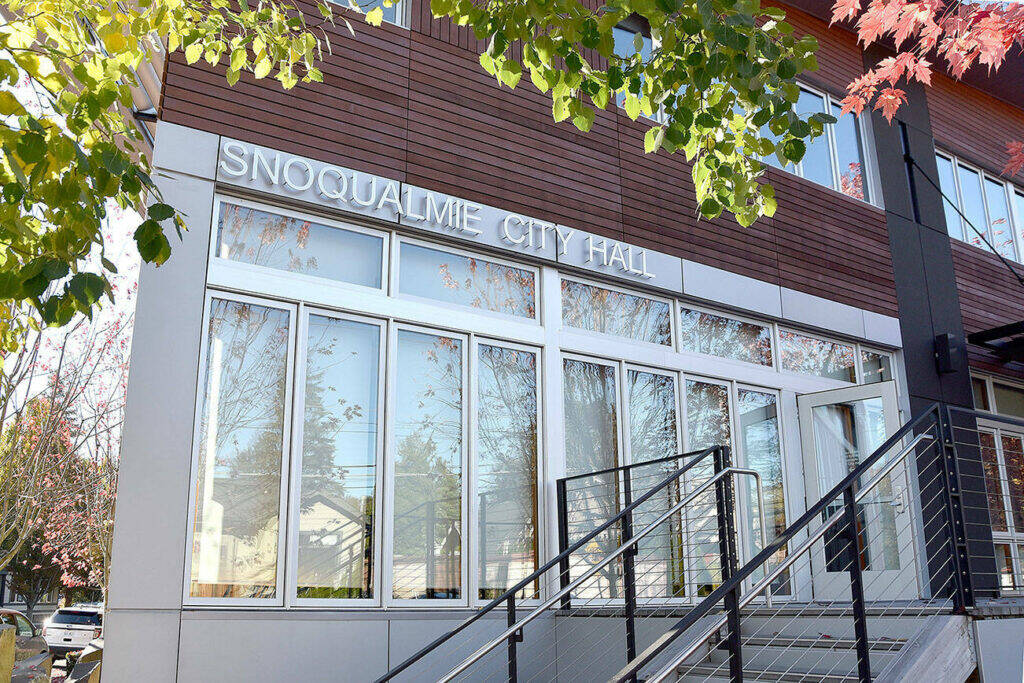
The city council did not agree on asking residents for a levy increase.
After a few weeks of energetic discussion amongst council members and with residents, Snoqualmie City Council decided it will not be putting a vote for a property tax increase on November’s ballot, as encouraged by Mayor Jim Mayhew.
All but one council member voted no at the Aug. 3 special meeting when presented with a resolution for the “Essential City Services Levy.” The levy increase would have funded a city budget deficit, created in part by the lack of North Bend’s police services contract, as well as city revenue not keeping up with inflation. Levy funds would be used for increased staffing and the services those staff provide.
If the resolution had passed, Snoqualmie’s November ballots would have included a proposition for the city to increase the property tax levy by more than 1% for the next 10 years. Normally, state law says a levy can only increase by 1% each year, but voters can approve a higher increase, thereby “lifting the levy lid.”
Council members, generally, are not opposed to increasing the property tax levy if that is necessary. But with the short time frame council was given for consideration — the topic was first introduced at a July 13 meeting — several members said they needed more time to collect data and decide if a levy increase was, in fact, necessary.
Council members also expressed concerns that residents also did not have enough to make an informed decision. They said, in the last few weeks, they have received a lot of communication from residents about the topic, particularly through email (a July 29 community meeting was not well attended, council members said).
“The community has been speaking very loud and very clearly on this topic,” Councilmember Cat Cotton said during the Aug. 3 meeting. “The response that we’ve gotten … almost rivals the amount of information we’ve been receiving on the [battery energy storage system] project.
“They are clearly asking for other alternatives first. Cutbacks. Accountability for our spending. And, most of all, transparency in our city budget.”
Cotton was among a few council members who said that if the city cannot find another way to fill the budget gap, then they can return to a conversation about increasing property taxes.
Councilmember Jo Johnson was the only council member to vote yes, meaning he wanted the proposition to be on this November’s ballot.
“We have to make $1.5 million dollars worth of budget cuts to reduce our current level of service, which means stopping our maintenance of who knows how many parks, who knows what that means for the police department, maybe losing our fire accreditation,” he said. “The kinds of cuts we are talking about are not small, and I am more worried about the response we’ll get from the residents by not giving them the choice to fully fund the government than I am about how frustrated they may be with the process or the ask itself.”