Heads up: How to keep your child from suffering a concussion | Lifestyles
Published 4:04 pm Friday, April 19, 2013

By Nicole Demetrescu
Contributing writer
The number itself is a shock to the system: Every year, emergency rooms nationwide treat sports- and recreation-related brain injuries in nearly 175,000 children.
The most common activities leading to these visits are cycling, football, playground activities (especially for children under 9), basketball and soccer. But such injuries can occur in any activity.
Concussions can produce lifelong challenges with memory, emotion, movement and behavior. Children and teens take longer than adults to recover from concussions. We must take them seriously.
Here’s how to prevent concussions when your child is at play:
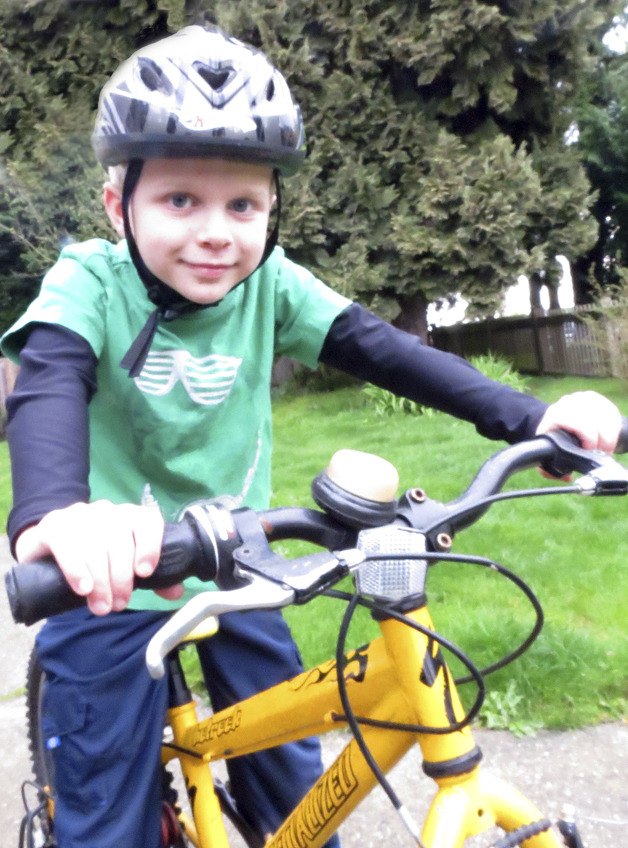
• Make sure your child wears a helmet when cycling or playing sports such as football or hockey.
• Have an appropriate professional check the helmet’s fit.
• Talk with your child’s coach about policies on concussions and returning to play.
• Know that concussions can occur with direct contact with the ground, another player or an object.
Even a forceful sit-down can cause a concussion.
Signs of a concussion
Has your child had a bump? Watch for these signs in the hours and days afterward:
• Loss of consciousness, even momentary
• Dazed or stunned appearance
• Confusion
• Clumsiness
• Mood or behavior changes
• Memory loss
• Headache
• Nausea or vomiting
• Blurry vision
• Light or noise sensitivity
• Feeling “not quite right”
If you see even one of these, keep your child out of play and off a bike until a medical evaluation.
• Free training and facts on concussions are available from the U.S. Centers for Disease Control at http:// www.cdc.gov/concussion/sports/index.html.
• Nicole Demetrescu is a physical therapist at Encompass.