Snoqualmie Valley farmers say flooding is worsening
Published 9:30 am Friday, October 24, 2025

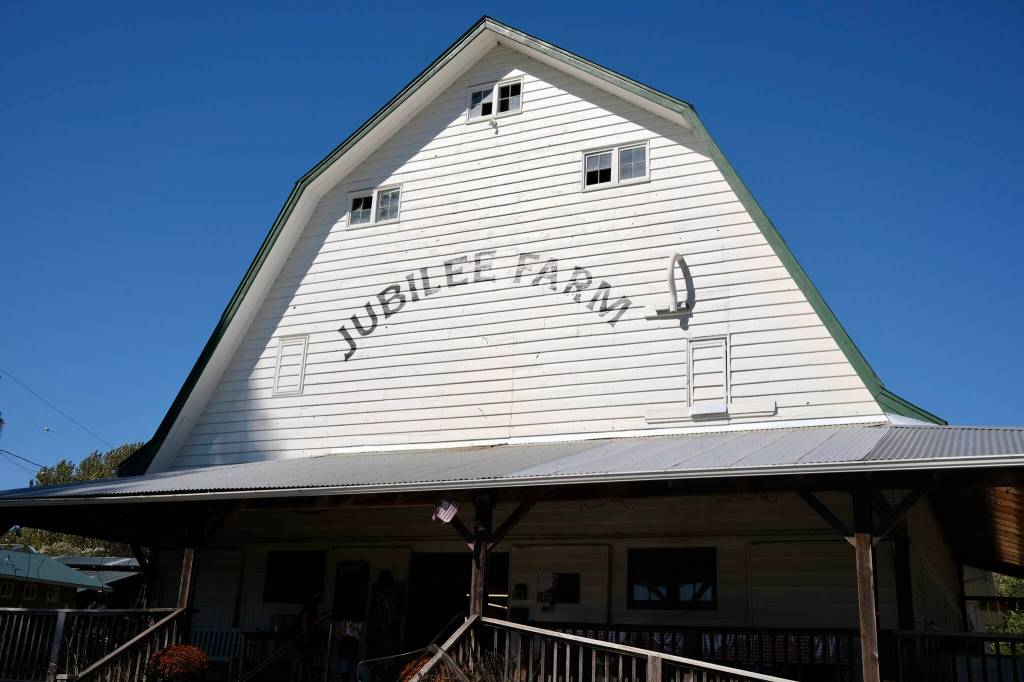
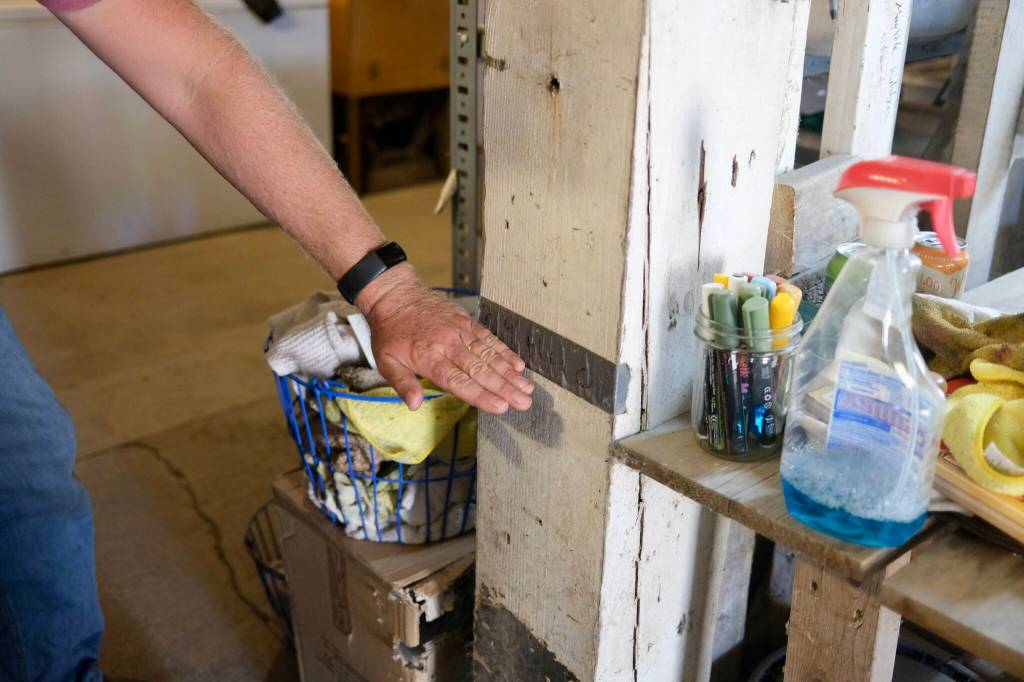
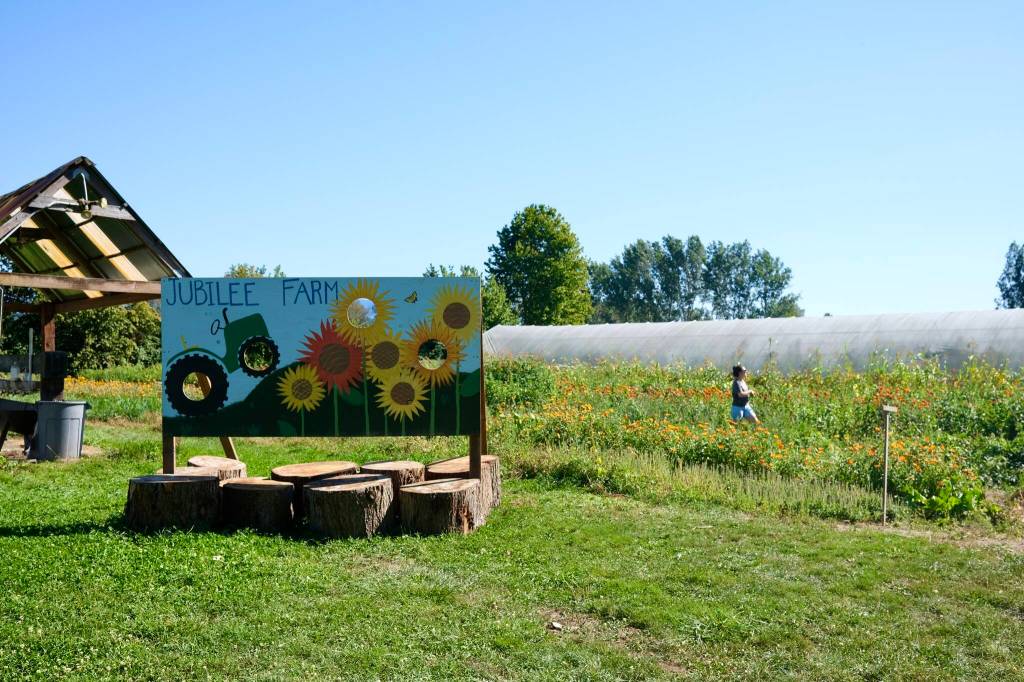

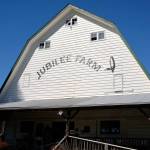


Jubilee Farm has been home to David Haakenson and his family for 36 years.
Someday, he says, he expects that home will wash away.
“This farm will be lost someday because of flood,” he said. “This barn will wash away, probably literally, so will my house, probably literally. And I had to just get emotionally OK with that.”
Jubilee Farm is nestled next to the Snoqualmie River in an unincorporated area of King County between Carnation and Fall City. It was started in 1989 by Haakenson’s parents. Today, he runs and lives on the farm with his wife and children.
Haakenson’s dream is to one day pass the farm onto the third generation — but he isn’t entirely sure it will be waiting for them.
“I want it to be something my kids will have, but there’s a good chance they won’t,” he said.
Haakenson’s perspective may seem bleak, but he believes it is simply the reality of farming in a floodplain.
The Snoqualmie Watershed encompasses 433,000 acres, about 17,000 of which are used for farming, mainly along the Snoqualmie River. Here, the farmers are used to seasonal flooding, which typically occurs from November through April.
Used to it, albeit not necessarily all right with it, especially as flooding has become more frequent and unpredictable, experts say. Additionally, warm temperatures are hanging around longer in the summer months and drought conditions are worsening.
“The frequency is a lot, and it’s getting worse,” Haakenson said. “And that’s pretty demonstrable statistically, not just anecdotally.”
“I don’t sleep on flood nights”
In January 2009, Ryan Lichttenegger was early in his Snoqualmie Valley farming days. He had just begun farming his own land, called Steel Wheel Farm, and was working for Jubilee Farm, then under the ownership of Erick and Wendy Haakenson.
The Haakensons were vacationing out of the country, leaving Lichttenegger with “60 or more head of cattle in the barn, a wagon full of chickens and just me and this other guy,” he said.
Then came the worst flood the Valley had seen in decades.
“Everything went underwater,” Lichttenegger said. “I was new to farming, flooding, the Valley, all of it. So it was quite a shock.”
Lichttenegger stayed in the Haakensons’ house to watch over the animals and property. The power went out, as did the electricity after the diesel heating tank started floating beneath the house.
“In the morning, I sat on the front porch of the barn, and the river was starting to drop, so it was just exposed,” he said. “I sat and had my coffee, and I watched the National Guard drive by.”
Having grown up on Jubilee Farm, David Haakenson said flooding is normal for him. It’s normal when the school bus or mailman doesn’t come, and it’s normal to have to park his car up the hill and boat to and from the house.
But when the floods are bad, normal doesn’t mean less scary.
“I don’t sleep on flood nights,” Haakenson said. “When the farm goes underwater, I get anxious. I get worried that it’s not going to be there. It’s irrational, but I just go crazy. I just lose my sense of proportion completely when it floods, and I become exhausted.”
These moments, Haakenson said, are becoming an annual affair.
“[The floods] are more often and they’re worse,” he said. “The way to [see] that is not to look at it year-to-year, and that’s kind of tempting to do. … We’ve got to look at it in terms of decades.”
Though Lichttenegger hasn’t experienced another flood as bad as 2009, he agrees flooding has worsened in the 20 years he’s been farming in the Valley.
“I think it’s more frequent and, in general, more severe,” he said. “Higher peaks, faster times. And I kind of contributed that to development, logging, maybe less snowpack — all those combined.”
Sarah Cassidy and her husband own The Grange restaurant in Duvall and the farm that supplies it, Hearth Farm. Their farm is located at an even lower elevation than some of the others nearby — the land floods at 52 feet, and Cassidy is blocked from entering at 54 feet.
She, too, agrees flooding is getting worse.
“For me, all of the floods are 100-year floods,” she said. “100-year flood does not mean anything. It’s lost its meaning.”
Impact on business
The land itself in the Snoqualmie Valley is great for farming, says John Taylor, King County’s director for the Department of Natural Resources and Parks.
“When you think about agricultural land, there’s a finite amount of it,” he said. “Back before I got involved in this, [I would have thought] that you can take any piece of land and turn it into a farm. That’s not really accurate.”
The river bottom and flooding make the Snoqualmie Valley soil rich with nutrients, he said, which help yield great produce at Jubilee Farm and others.
Jubilee has 224 acres, about 40 of which are used to grow crops and the rest of which are either pasture or forest. The farm produces grains, some fruits and a ton of vegetables.
Aside from u-pick pumpkins and beef, Jubilee gets most of its business from its community-supported agriculture (CSA), in which customers pay for “shares” of the harvest and get regular boxes of produce.
Jubilee sells CSAs year-round — unless a flood takes out the crops. Per the U.S. Food and Drug Administration, crops that have touched flood water cannot be sold for consumption.
“It’s just that, like, 3% of the time that really is inconvenient and tough to deal with — which honestly, that small amount of time could put somebody out of business,” Lichttenegger said.
While Lichttenegger has lost crops to flooding, he says he’s lucky he has not lost any animal lives or property due to erosion. As an organic farm, though, he does worry about how flooding will impact the quality of his soil.
In addition to chemicals from nearby farms coming down river, Lichttenegger said he worries about what the river lifts away and carries with it when it floods.
“I can’t tell you the amount of crap that I found in the fields and I saw float by,” he said, referencing the 2009 flood. “There was used oil barrels and pieces of cars and just trash and junk. And, I mean, how good is that for the ground we grow food in?”
Year after year, Haakenson said, this impact on the farm can be disheartening.
“At the end of the flood, I’m emotionally drained. And you know what I don’t want to do? Get right back to work,” he said. “Because it feels like the flood can just come and undo everything you’ve done. Like, plant fall crops and just watch them get flooded. Work really hard, just to have them be gone.”
Adaptation and mitigation
For the six months of flood season, Haakenson said, flooding could happen at any moment, but there are clear warnings, both in man-made warning systems and in the numbers.
“Atmospherically, you can kind of tell, if it’s 2 inches of rain in 24 hours, that makes it flood, and it’s kind of mathematical at that point,” he said, adding that he believes flood forecasts are usually given conservatively.
When a flood is coming, especially in the fall, the farmers get to work. They move the animals to higher ground and rush to harvest as much as they can. They also move all mobile structures out of the way of flooding — a big aspect of farming in a floodway.
“Nothing’s permanent,” Lichttenegger said.
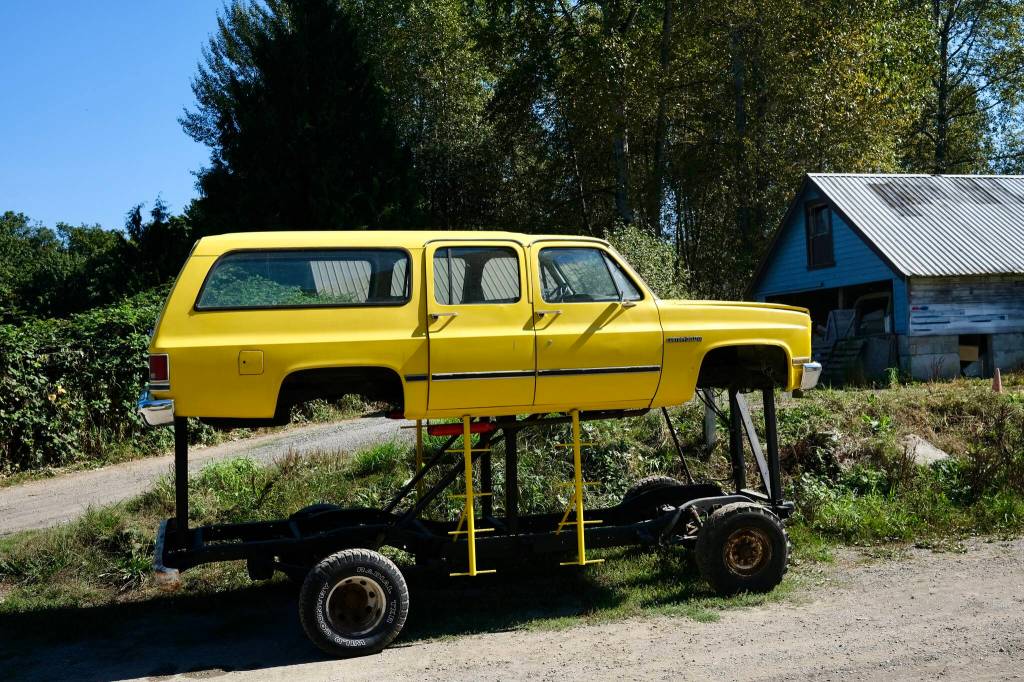
“We have to always think kind of temporarily,” Haakenson said. “If I want to build something … it might need to be on skids, or I need to be able to move it somehow, or it’s gonna get wet.”
Lauren Silver-Turner, executive director of the Snoqualmie Valley Preservation Alliance, remembers one flood in particular in which Haakenson drove his tractor back and forth and back again over his fields to push the topsoil down before it could get washed away.
“That’s not something a farmer typically does because they don’t want compacted soils, and he knows that, and he’s very in tune with soil stewardship and soil health,” she said. “But he’s like, well, my options are compact this soil a bit, or lose this precious topsoil to the flood.”
Farmers spend a lot of their time working to improve soil conditions, Lichttenegger said, and flooding “makes it really challenging to preserve nutrients and just the microbiome of the soil.”
Throughout the year, farmers say they try to mitigate flooding effects on soil by planting cover crops and putting their compost and fertilizer out in the spring instead of the fall.
Ultimately, the farmers said, they do what they can and then cross their fingers.
“There’s no books about farming in a floodway,” Haakenson said. “Nobody really wants to do it.”
Moving forward, however, they are hoping for bigger solutions.
“The thing is, because flooding is getting worse, we can’t just do the normal things,” he said. “We have to go above and beyond.”
If you are a farmer in the Snoqualmie Valley who would like to share your experience with flooding, email grace.gorenflo@valleyrecord.com.