Working on the railroad: Northwest Railway Museum marks completion of Railway Education Center and with it, the original vision for the museum
Published 1:00 pm Tuesday, October 11, 2016
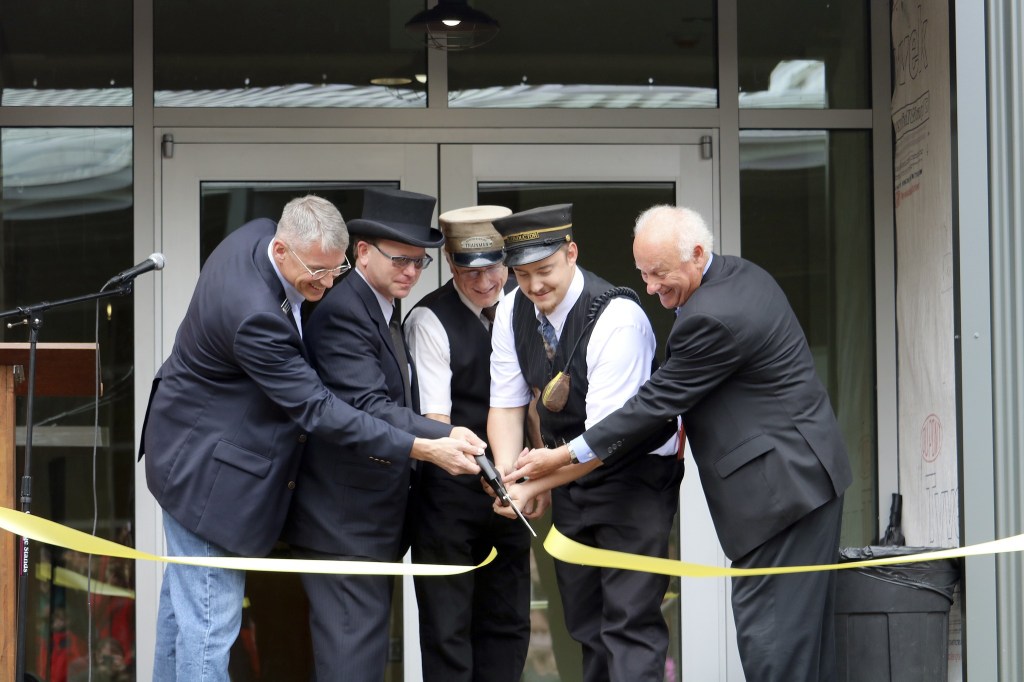
Snoqualmie’s Northwest Railway Museum has completed a project more than half a century in the making on Oct. 8, with the dedication of its new Railway Education Center.
The building, designed to preserve historical documents and host educational programs, is a true landmark.
“It encompasses a vision that is not an exhibit hall, not a steam train nor a railroad bridge,” said Richard Anderson, executive director of the museum. “It isn’t a book or a locomotive, it’s neither a short experience nor a long one. It is all of these things that together present a cohesive and compelling story of how the railroad shaped settlement and development in the Pacific Northwest.”
Anderson, along with Railway Museum Board of Trustees President Dennis Snook, Snoqualmie City Councilman Bob Jeans and State Representative Chad Magendanz spoke at the event, praising the organizations and individuals who put time and effort into the completion of the building and the development of the museum.
“Over the last 15 years we’ve been building structures beginning with our Conservation and Restoration Center, that was opened about 10 years ago,” Anderson said. “This latest effort, the Railway Education Center, is the third phase and actually completes the original scope of the museum envisioned 60 years ago.”
Anderson thanked the diverse team of people who helped make the construction of the building a reality, including trustees, staff and volunteers.
“Whether it’s the trustee who makes a substantial financial contribution, or three or four of them, a volunteer who contributes material to the library, or a staff member who fills out a grant application, all the team members are vital to the success,” Anderson said.
The opening of the education center will also allow the museum to expand the size of its audience and increase that audience’s length of time in Snoqualmie, which Anderson said will have a positive economic impact on the downtown area. The longer visitors stay, the more likely they are to shop at local businesses and restaurants.
Having worked on developing the Northwest Railway Museum for more than two decades, Anderson said he is happy to see the work that he and so many other people have put in, pay off. With development complete, the museum can now focus on running programs and events.
“It’s been a very long process, I’ve personally been working on this for 22 years,” he said. “This feels really very good. This isn’t just the completion of this building, it’s really the completion of the initial vision we had for the museum, so we will be able to focus a lot more on programming and collection care rather than facility development at this point, which really is a means to an end, not our mission.”