
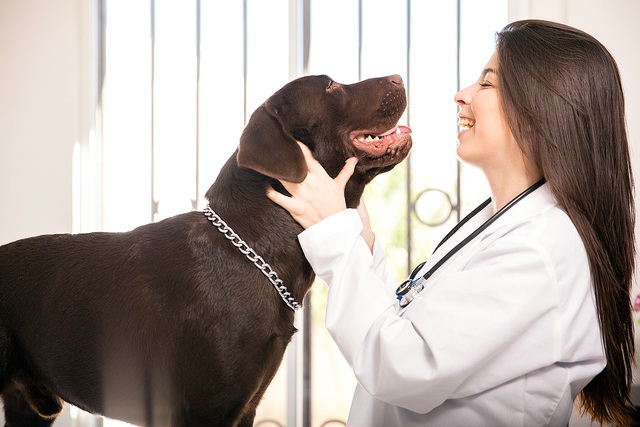
(StatePoint) Your dog is your best friend, and you take good care of him, making sure he gets quality food and exercise, and immunizations. Why, then, does your veterinarian suggest a yearly heartworm test?
The American Heartworm Society (AHS) recommends annual testing for all dogs, explains veterinary parasitologist and AHS board member Dr. Patricia Payne.
“Heartworm is a devastating disease. It is preventable and can be treated in dogs, but early detection is essential,” Payne said.
Along with testing, the AHS recommends year-round administration of heartworm preventives. Unfortunately, says Dr. Payne, far too many dogs do not receive this measure of care.
Almost two-thirds of dogs in the U.S. that are seen by veterinarians are given no preventives, according to studies conducted by heartworm medication manufacturers.
Among those on prevention medication, many are only given it in spring, summer and fall, when the mosquitoes that transmit heartworm larvae are active. Because weather is unpredictable and hardy mosquitoes can survive indoors as well as outdoors in protected areas, “seasonal” usage creates opportunity for animals to become infected.
Another factor is human — and animal — error. It’s easy to miss a dose, and dogs are good at not swallowing their pills.
Heartworm resistance is rare but real.
“Owners can rest assured that heartworm medications are highly effective, but a few cases of heartworm strains that are resistant to common preventives have been documented,” explains Dr. Payne, adding that the issue is being studied by the AHS.
The good news is that heartworm testing is simple and inexpensive. Your veterinarian can run a blood test during your dog’s annual checkup.

