As pet care costs climb, Snoqualmie Valley nonprofit becomes lifeline
Published 4:42 pm Thursday, May 14, 2026

Residents across Snoqualmie Valley are facing dire choices in the wake of rising veterinary costs. For Kassandra Maffitt, this crisis nearly cost her service dog’s life.
Before her diagnosis of complex regional pain syndrome, Maffitt worked as a full-time phlebotomist, helping support her family and care for a small farm of 19 animals. Maffitt was forced to stop working and go on disability after her diagnosis. She said she now relies on her German Shepherd, Ladybug, to support her with daily tasks and emotional stability. But after a veterinary clinic quoted Maffitt $1,600 to spay Ladybug, she was left with no good options.
“That was my monthly income,” said Maffitt.
Rising costs of pet care are making routine veterinary visits nearly impossible. In response, local nonprofit Valley Animal Partners has spent two decades helping seniors, veterans, disabled residents and low-income families keep their pets alive and healthy.
According to the American Veterinary Medical Association, owners spend around $1,700 on their pets annually. Among cat owners, 28% did not spend any money on veterinary care in 2025, and among them, 16.4% said it was because veterinary care was too expensive.
“The price of a spay-neuter procedure is $700-$800 an animal,” said VAP board member Carolyn Loew. “Even people with a salary can’t afford it.”
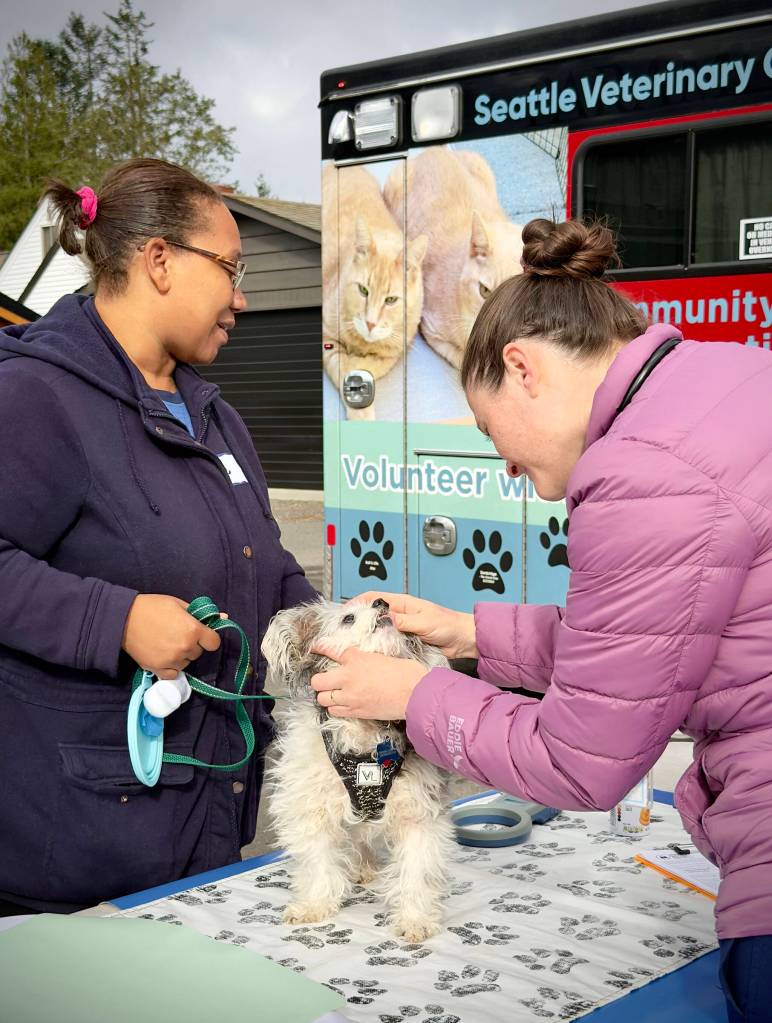
For some, financial strain is not the only consequence of the rising costs of pet care. Jennifer Turner, community engagement and volunteer manager for Seattle Veterinary Outreach, regularly sees situations where housing instability and lack of veterinary care leave many with difficult decisions.
“People are choosing to stay with their animal and live in their car or on the street,” said Turner.
She describes cases in which clients hold housing vouchers, but cannot move in because their pet lacks required vaccinations. SVO partners with VAP to run low-cost clinics in North Bend four times a year to address this. At these clinics, two veterinary teams see animals for a suggested fee of $25, which is waived entirely for those who cannot pay.
When these issues are not addressed, the consequences are substantial. “A lot of animals get rehomed or brought back to shelters,” Turner said. “It funnels into more euthanasia rates. It’s a trickle effect, and it’s not a good one.”
Loew traces the origins of VAP back to Hurricane Katrina. A group of pet care advocates came together to raise money for pets displaced by the hurricane. As these efforts continued, the group realized there was a similar need close to home and eventually shifted its focus to the Snoqualmie Valley.
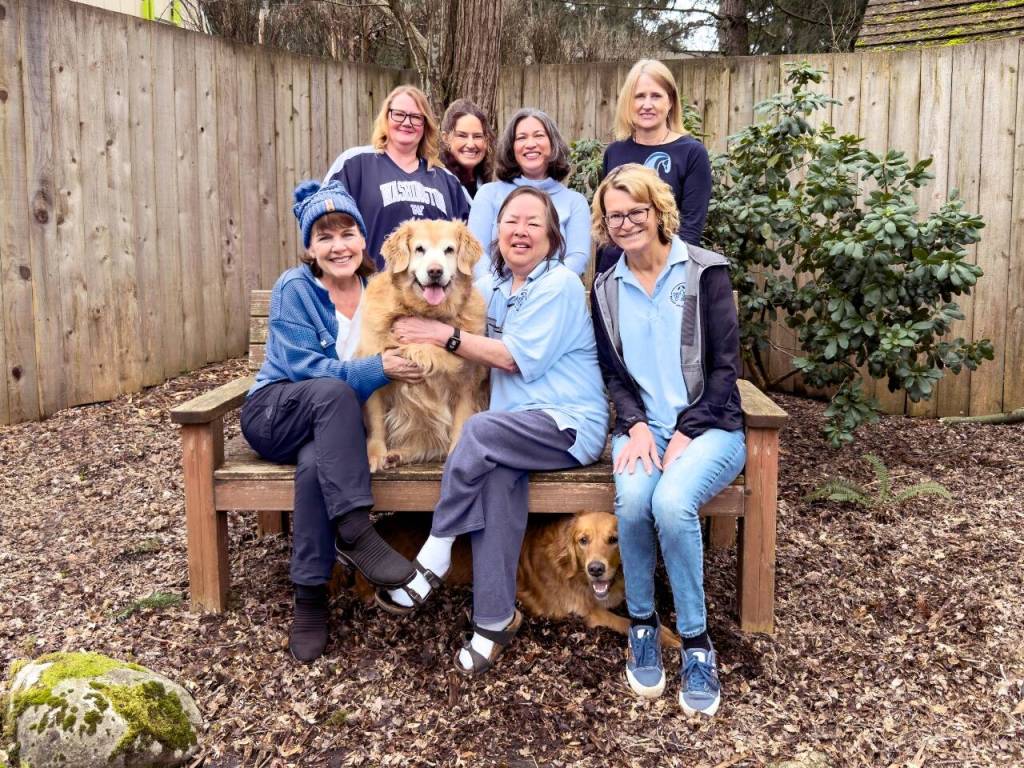
Today, the organization is run by a board of seven members.
“We’re just volunteers, and all the money raised stays in the community,” said Andrea Logan, board member and treasurer for VAP. “It’s not just about the animals. You give the families peace of mind, which is so important.”
Through a partnership with Seattle Humane Society’s veterinary clinic, qualifying residents pay $30 for a cat and $50 for a dog, while VAP covers the rest of the spay-neuter expense. VAP also has an emergency fund to help with unexpected veterinary expenses.
VAP is also working toward expanding its low-cost clinics with a recent grant from the Snoqualmie Tribe, according to Loew. The organization raises funds through its annual chili cook-off held on the first Saturday in November.
According to Loew, demand is growing faster than ever.
“Weekly, I get about two requests for a spay-neuter voucher,” said Loew. “We’ve already issued 41 this year, and we’re only in April.”
For Maffitt, a conversation at her local grocery store led her to find VAP. A stranger heard her conversation about her $1,600 vet quote and recommended she seek help through the organization. She was able to get Ladybug spayed using a $50 VAP voucher.
“I needed this program because I literally cannot work to afford to pay for it,” said Maffitt. “I need her for my disability. I couldn’t imagine my life without her.”
–
University of Washington’s News Lab operates as a local news bureau staffed by advanced journalism and public interest communication students.