A Snoqualmie teen’s recovery from traumatic brain injury
Published 10:30 am Wednesday, July 15, 2026
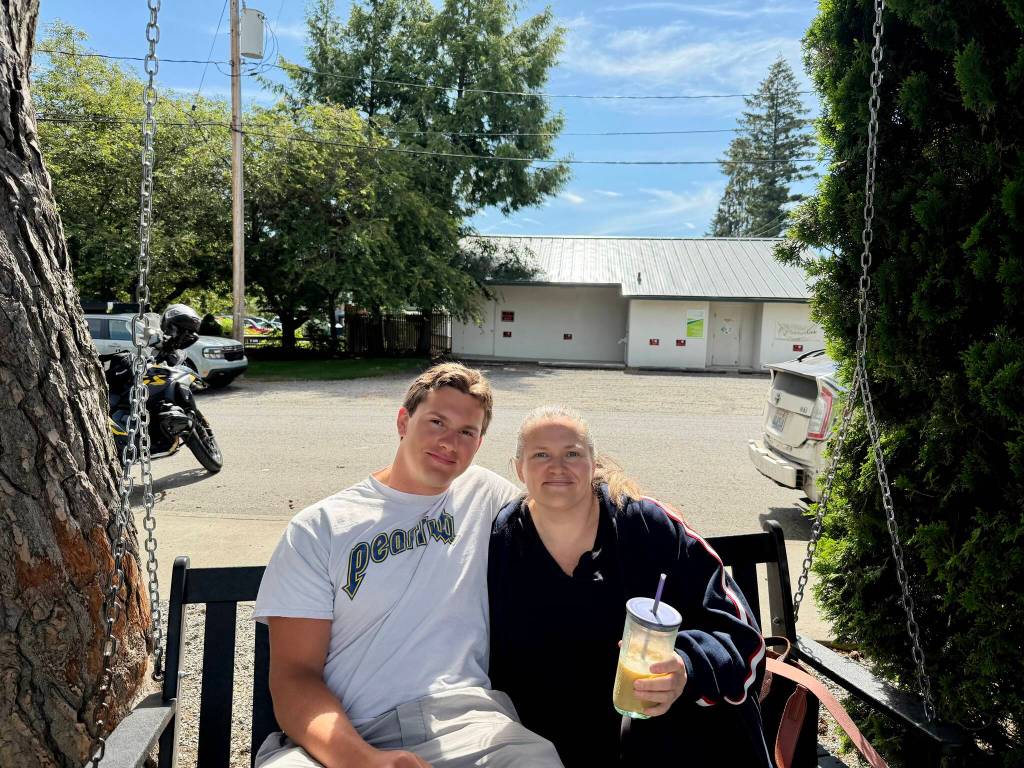

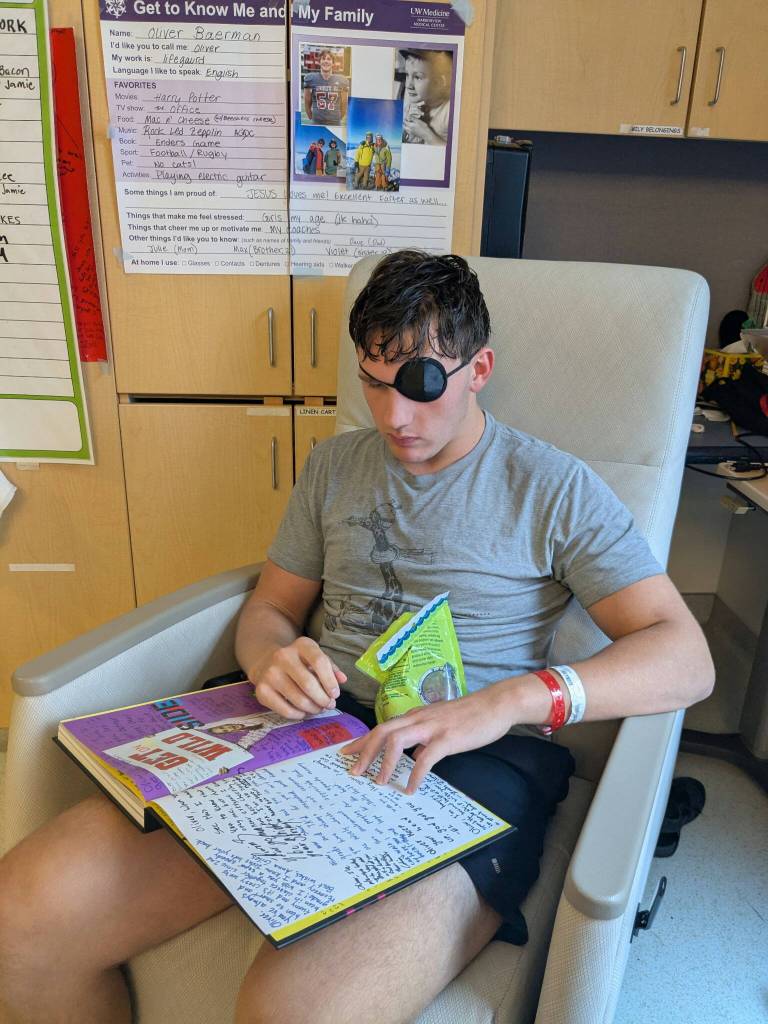


Oliver Baerman has come a long way since his June 2025 accident.
Most people meeting 17-year-old Oliver Baerman for the first time wouldn’t notice his traumatic brain injury. He carries a conversation well, showing his kindness, stubbornness and good sense of humor.
But according to his mom, Oliver isn’t quite who he used to be. Before his accident, he was more patient with others, equipped with a quicker wit and better able to hold his own when that stubbornness came out.
“Oliver loves to argue, but there was a pretty good chunk of time where he wasn’t able to keep up,” Julie Baerman said. “He had the arrogance and the memory of wanting to win, but it was like arguing with Beavis and Butt-Head.”
Oliver chuckles when Julie describes him this way. The mother and son are able to discuss their changed family dynamic with candor and acceptance, despite the hardship.
“We don’t always like the new person in Oliver’s body as much as we liked the person that was there before,” Julie said. “And then him sensing not being as liked too — he’s used to being the favorite, the little brother.”
Oliver was in a serious car accident June 6, 2025, while driving with a few of his friends. When the car went into a ravine, Oliver bore the brunt of the accident from the backseat. The boys don’t remember exactly what happened, but the car looked like it had rolled, Julie said.
“His buddies said he was just foaming at the mouth,” she said. “One of the kids ran back down to try to get better cell service, and then all the other kids that were there kind of dragged him out of the car and started CPR as good as they could. They were all 16 at the time.”
Emergency responders took Oliver to Harborview Medical Center in Seattle. In addition to his traumatic brain injury (TBI), Oliver suffered a broken collarbone.
A page was quickly set up on CaringBridge, a public platform that allows friends and family to receive updates on someone’s recovery. Through friends and her daughter, Violet Baerman, Julie gave in-depth updates about Oliver’s hospital stay.
An update on June 13, 2025, read: “He just counted to 5 and said his name and mom. And knew where he was. Then fell back asleep. It was wonderful.”
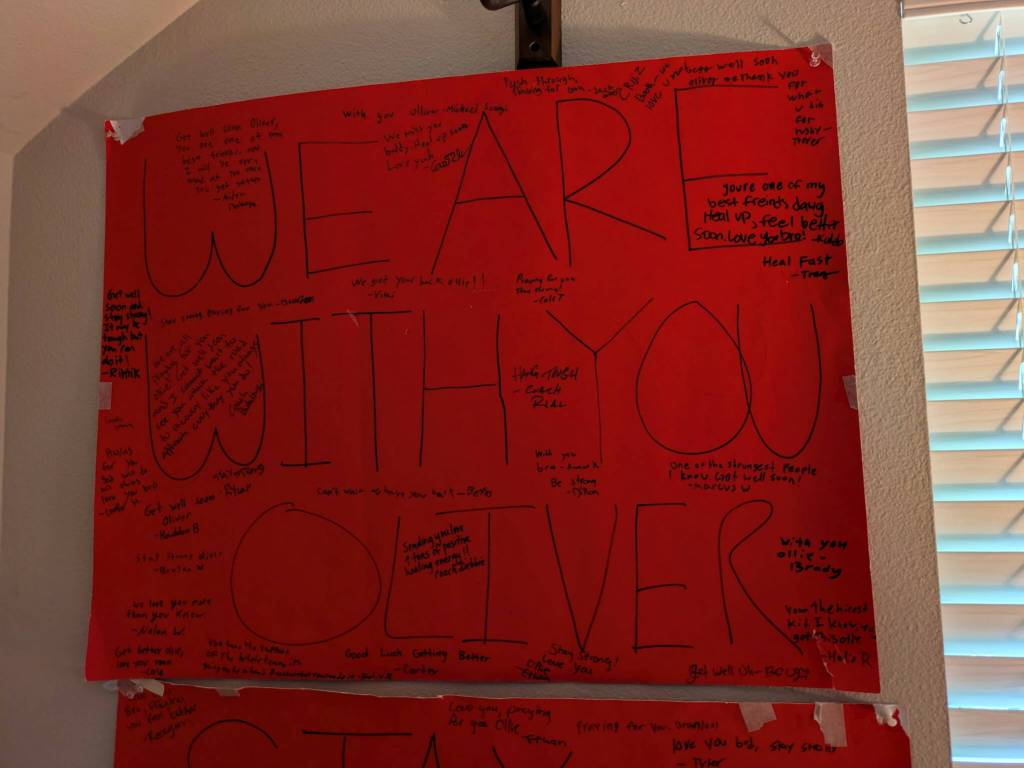
How the Valley showed up
Word of Oliver’s accident spread like fire.
“Information got out quick because all the families know each other, small town, and Oliver’s pretty well known at school,” Julie said. “His football coaches were at the hospital with me within, like, half an hour.”
And as word spread, so did the support. Oliver’s CaringBridge page has garnered more than 52,000 visits. Through the CaringBridge, community members started a “meal train” to make sure Julie and the family were fed while Oliver was in the hospital.
Two GoFundMe pages were also started by family friends, together raising more than $63,000 for Oliver’s family. Julie, a single mother, said these donations allowed her to take time off work and pay for various treatments throughout Oliver’s recovery.
“The way people showed up in crisis like that, it was so gorgeous to see that side of humanity,” Julie said.
She also noted “how grateful we are to the Valley for all their support, time, for their heart, for caring. It takes a lot of guts and bravery for people to care.”
Recovery is a winding road
When it comes to recovery from a TBI, Julie said, success is simply trying, considering you fail most of the time.
For Oliver, trying has been no issue, with a confidence aided by the decreased inhibitions that are a side effect of his TBI.
“Fear has not been part of his recovery,” Julie said. “Almost the opposite.”
Julie, who has a career as a nurse, wants Oliver to take his time. Oliver wants to push himself and credits not being afraid of failing as his best medicine.
“He wouldn’t let me move [his bed] downstairs, and we fought about that because I was terrified at night that he was going to fall again,” Julie said. “He pushed me far more than I was comfortable with to let him take risks, so he could keep pushing himself.”
Oliver was in the hospital for about six weeks. Once home, in addition to insisting on taking the stairs, he refused a wheelchair. He used a gait belt for a bit, but nothing lasted super long as Oliver continued to improve, Julie said.
Oliver has had to regain his vision, relearn to walk and talk and be recertified in things like driving and being a lifeguard (his summer job).
Previously a dedicated athlete, Oliver won’t be able to play competitive sports again, but he was desperate to be active and was already doing some light swimming, fishing and hiking the month after his accident.
With unwavering support from his friends and Mount Si High School staff, Oliver said he felt “super comfortable” returning to school in fall 2025. He had a good academic year, maintaining a high GPA and a busy social life. Now, he’s preparing for senior year and deciding what colleges he wants to apply to.
Oliver is still in physical therapy, but for the most part he’s “recovered,” though that definition is a bit of a gray area.
“I feel great. I would say I’m almost perfectly healed,” Oliver said in June. “There’s just coordination. I can tell I’m getting back to where I was in terms of coordination, but it’s still an area of improvement.”
For Julie, additional difficulty has come from her perspective as a medical professional. After 25 years in the field, she’s “used to being successful,” she said. But in neurology, “it’s a whole different world.”
“We don’t know what the hell’s going on in people’s brains. … You break your leg, and they watch it heal. But your brain, when it breaks, they’re just kind of like, good luck, just keep trying stuff. And nobody knows how much it’s going to heal, so it’s really hard to plan. … I’m gonna fail 95% of the time, but I can’t quit.”