Gridiron respect: Q&A with former Valley player, Coach Hall of Famer Phil Pugh
Published 3:22 pm Tuesday, March 20, 2012
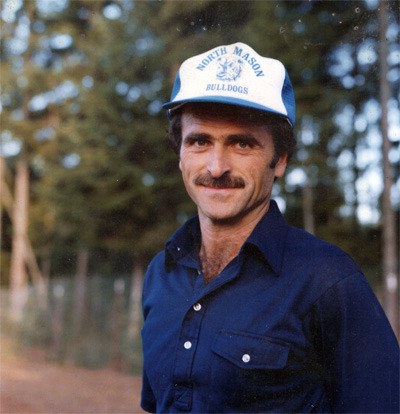
High school football has changed a lot since Phil Pugh was quarterbacking for the Wildcats.
Pugh, 71, of the Mount Si Class of 1958, was inducted this winter into the Washington High School Football Coaches’ Hall of Fame for his nearly 30-year career helming the North Mason varsity program in Kitsap County.
At North Mason High School in Belfair, Pugh went 167-107 over 27 years, taking his team to state in his first two years.

Pugh grew up in Snoqualmie and Meadowbrook. His father died while he was young, and Pugh and his two siblings were raised by their mother, Shirley, who was an employee at the Snoqualmie State Bank (now home to the Chamber of Commerce).
“I credited her with teaching us discipline and responsibility,” he said. “She was a courageous woman.”
Part of a graduating class of 67 at Mount Si, Pugh was thrust into the limelight when Mount Si’s starting quarterback broke his leg. Those were tough days for little Mount Si, which played local, big schools. Pugh went on to college, served a stint in the U.S. Army in Vietnam, and became a teacher, specializing in English. His coaching career started at the middle school level, and he began head coaching at North Mason in 1974.
He retired from teaching and coaching in 1998, but returned three years later for another three-year stint at players’ requests.
The school stadium is named after Pugh, who now lives in Allen, Wash. He was inducted into the coaches’ hall of fame January 28 in Bellevue.
Today, Pugh has stepped off the gridiron, but he keeps fond memories of his playing and coaching days, and also offers advice to the younger coaches leading today’s youth athletes. He recently answered questions about his career and methods by the Record:
What was it like to be a Wildcat in ‘58?
“It was a great deal of fun. It was very different in those days, than high school football is today, from the equipment to the season of work that kids do now—much, much different. There really wasn’t much in the way of classifications. You played the teams in your proximity. That wasn’t good for us Mount Si kids—we had 66 kids in our graduating class. We were playing Issaquah, Lake Washington, Bothell, Bellevue. We had some real challenging Friday nights.”
What was it like winning a state title in 1982?
“It was thrilling, without question. One of the reasons for our success was that early on, I learned something about image structuring: teaching people how to think in positive terms. An assistant coach really adopted it… the two of us were really able to do a good job on that. The kids on the state championship team were not the most talented group we had, but they really bought into the idea of a team, positive approach. Early in the season, we struggled, managed to win close games. Then we got going. We got beat in our last regular-season game, yet it didn’t seem to affect these kids, because they realized that it was a temporary setback. Everybody’s going to have those. It was almost like those kids expected to go on and win. As coaches, we did, too. It was almost like, ‘Here we are, we did it.”
What advice do you have for new coaches?
“Meet with parents of players early, and communicate how important it is that they allow their kids to participate and play and enjoy it. As parents, as soon as they are comfortable with a coach and his or her ability to be fair and treat their kids with respect, that their child is going to be safe with this coach, they need to step back and release the kid to the coach, and let them coach. There are so many parents today that step over those lines and get involved with their kid’s playing time, their position. They really make it difficult for the kids to be solid members of the team.
“Another thing is to have a balance between the importance of winning, participation and sportsmanship. The JV kids, the backup kids, they’ve got to treat those kids as though they were just as important as the starters, the kids that are getting the headlines. That’s not easy. Don’t be afraid to give the younger kids an opportunity to play. Find a way to get them in the game, and make it meaningful playing time.”