Neighbors report increased sightings of elk on roadways
Published 11:39 am Thursday, October 2, 2008
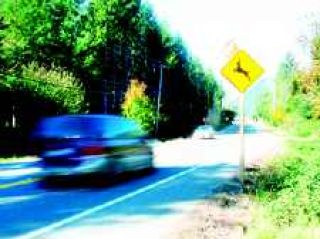
NORTH BEND – Neighbors living near Interstate-90’s Exit 32 say the number of elk being hit by cars has increased this year, and drivers need to be careful when they’re traveling in the area.
Resident Tim Moore said he’s seen at least seven dead elk in the roadway this year alone.
Neighbor Adi Hienzsch said since he moved to the area more than 35 years ago, the problem has increased. The boom of houses has detracted from the land the elk once roamed, forcing them to make dangerous crossings of the road, he said.
“It used to not be this way,” he said. “They used to have plenty of room – down to the river.”
Factor in increased traffic, he added, and the problem is consistently growing.
Judging just how big the elk population is in the Upper Valley is difficult, said Lee Kantar, district wildlife biologist with the Washington Department of Fish and Wildlife (WDFW).
Although the WDFW has programs in place that track elk herds via helicopter and electronic monitoring, Kantar said, the Snoqualmie area does not due to financial and manpower constraints.
The Snoqualmie and North Bend area is broken up into two major sections when it comes to tracking elk and other wildlife herds, said Kantar. The first is the Cedar River area, the other is the area located north of Interstate 90.
In 1990, it was estimated that 450 elk called the Cedar River area home. That number dipped to 100 in 2000. In 1990, it was estimated that 125 elk were located in the area north of I-90, with that number estimated at more than 175 in 2000. Although those numbers are solid projections, Kantar said, they are not necessarily indicative of how many elk are in the area at one time.
Elk have been known to migrate from other areas, such as near the Green River, Kantar said, so the numbers may swell at certain times of the year. That could account for the neighbors’ claims that numbers have increased.
Vehicles colliding with animals is not uncommon across the United States.
According to the National Highway Traffic Safety Administration, of the reported 6.1-million crashes in 2000, 247,000 involved animals and resulted in 200 human deaths.
The early morning and dusk hours are typically the most active for animals, Kantar said. But with mating season in full swing, animals that once spent the warm summer days bedded down in the grass are more active throughout the day. Until the end of the year, he said, drivers making their way from Exit 25 to Snoqualmie Pass should pay close attention for animals.
If you do see an elk, or any other wildlife on the road, don’t try to increase your speed to get around the animal, Kantar said. You are better off slowing down, as another animal is likely following the one in the road and is likely to soon emerge, he added.
Recognizing the area needs a new study, Kantar is working on a proposal that would help better track the area’s elk population.