King County Council District 3 candidate Q&As | Election 2025
Published 10:00 am Friday, October 17, 2025
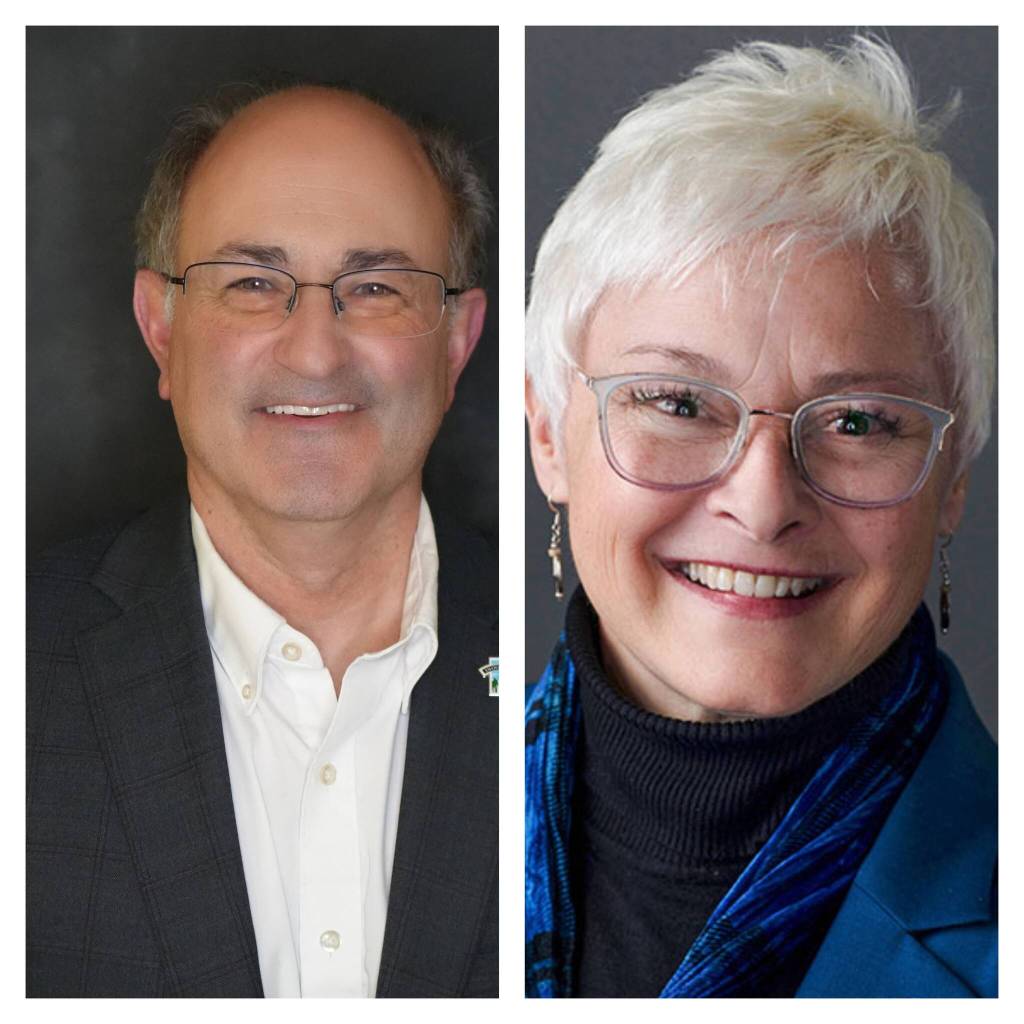
Rob Wotton of Snoqualmie is running against incumbent Sarah Perry of Issaquah to represent District 3 on the King County Council in the Nov. 4 general election. King County Elections mailed out ballots to registered voters on Oct. 15.
The Snoqualmie Valley Record sent out questions to each candidate, and here are their responses.
Tell us about yourself and why you are running for King County Council.
Perry: I have lived and worked in east King County for over 30 years, raising my family here, leading local nonprofits, and serving my community. My work on the County Council has been grounded in listening to people, bringing stakeholders together, and making government more transparent and accountable. I am running for re-election because I believe our region needs leaders who can balance big-picture policy with the day-to-day needs of local families. Whether it’s addressing transportation and mobility challenges, protecting our environment, or doing everything I can for housing affordability, my focus is always on building healthy, safe, and thriving communities. I know firsthand how decisions made at the County level affect families in Snoqualmie Pass, North Bend, Snoqualmie, Fall City, Preston, Carnation, Duvall and Skykomish. I want to continue making sure our rural voices are heard, that our small town communities get their fair share of resources, and that we protect the character and beauty of the Snoqualmie Valley while planning wisely for the future.
Wotton: I’m running because our communities deserve leadership that listens, leads with compassion and common sense, and prioritizes local needs over political agendas. As a longtime Snoqualmie Valley resident and community banker, I’ve demonstrated a deep commitment to supporting families, protecting public safety, and ensuring rural voices aren’t lost amid Seattle- centric policies. King County faces a critical moment. Amid constrained budgets, the county has launched programs with little oversight and unclear outcomes. A recent audit revealed troubling gaps in tracking how funds are spent, exposing the county to significant risks of fraud, waste, and abuse. With my background in banking and nonprofit oversight, including managing audits, I’m the only candidate with a clear five-point plan and practical experience to fix these broken systems. Accountabilitymatters—our tax dollars must drive measurable, positive change for those we serve. I bring hands-on community leadership as former treasurer for Encompass and Trail Youth, founder of the SnoValley Innovation Center, and board member for Scouting, Kiwanis, Lions Club, SnoValley Chamber of Commerce, and the Seattle Lighthouse for the Blind Foundation. These roles have taught me the compassion and tenacity our leaders need to support neighbors in the best possible way. For the Council, I bring broad experience to ensure vital resources and services reach those with the greatest need, bring transparency to county spending, and champion the priorities of Snoqualmie Valley and all of King County.
How are you currently involved in the Snoqualmie Valley?
P: I am deeply engaged in the Snoqualmie Valley through regular town halls, coffee chats, community listening sessions, and roundtables of those interested in a particular issue. I partner with local city leaders to secure funding for road safety improvements, flood protection, and small business recovery efforts. I regularly work with farmers, tribal leaders, and conservation advocates to support agriculture and protect the Snoqualmie River watershed. I also collaborate with local nonprofits to ensure our young people, seniors, veterans and families have access to programs that keep them connected and thriving. My team and I are present at community events and festivals, celebrating the uniqueness of each community, and regularly meet with our Mayors and City Council members because local government works best when leaders show up consistently and listen. The Snoqualmie Valley is one of the most unique and special regions of King County — rich in heritage, natural beauty, farmland and community pride — and I am committed to ensuring Snoqualmie Valley priorities are elevated in every policy discussion at the county.
W: I’ve spent years building community in the Snoqualmie Valley — as a volunteer, councilmember, advocate, and neighbor. I currently serve on the Snoqualmie City Council, chairing the Public Safety Committee. I am also one of eight elected leaders representing 38 cities on the Regional Law, Safety, and Justice Committee. In 2018, I helped launch SnoValley Innovation Center is a nonprofit organization that brings resources and expertise to local entrepreneurs, augmenting the work of the SnoValley Chamber of Commerce. In 2021, I launched SnoValleyJobs.com, a website that brought 50,000 jobseekers together with local employers. That work led to the formation of the Snoqualmie Valley Economic Alliance, a consortium of knowledge-sharing between the King County Department of Local Services, local cities, and the Snoqualmie Tribe to strengthen our economy through regular collaboration. It is an extension of my involvement in housing, transportation, and economic development across our communities. I’ve raised my family here. I’m proud of what we’ve built — and ready to fight for better representation at the county level.
In your opinion, is the county headed in the right direction?
P: King County is making real progress on issues including our roads and bridges, safe and healthy communities, environmental protection, housing of all types for all incomes, and transit and mobility, but there is still work to do. I’m proud of our investments in affordable housing and preserving farmland, as well as the extensive environmental and fish passage protection investments, which are all vital for healthy Snoqualmie Valley communities. At the same time, King County must do a better job of being more transparent and accountable, and of making the government feel more responsive and accessible to residents throughout the Valley. Too often, rural communities feel like their voices are an afterthought. That’s why I’ve pushed for greater investment in rural roads, emergency services, transit and infrastructure that make all of our Snoqualmie Valley neighbors feel safe and connected. I also want to see more innovation and support for our small businesses in the upper and lower Valley and work hard to provide visibility, technical and marketing assistance. We know that small businesses are the second most trusted entity in the country and that when our small businesses thrive, our communities thrive. We are headed in the right direction, but we have more work to do together across all of our communities.
W: No. King County is chasing headlines instead of solving problems. This current legislative body has used Councilmanic actions — simple majority votes — to tax hikes, increase regulation, and policies that ignore rural needs. These decisions are largely out of the public view; you need to be constantly following the council and their public agendas. Productive farmland is under threat, and public safety has been gutted. The incumbent cut $60 million from law enforcement, then claimed $845,000 restored those services. It didn’t. For comparison, Carnation pays King County $600,000 annually for a 30-hour-a-week police officer. That’s not public safety — it puts communities at risk. The council used this crisis to justify another tax increase. Instead of fixing it, they delayed and deflected. This council’s budgeting practices lack stewardship. They spend our tax dollars with little accountability, then vote to raise taxes again. I bring decades of experience in public, private, and nonprofit financial management. My five-point plan will restore accountability, prioritize public safety, and ensure every dollar delivers results. We must stop the fraud, fund what matters, and respect the voices of suburban and rural communities. I’ll bring forward real solutions on day one.
How would you prioritize the issues most important to the Snoqualmie Valley — agriculture, sustainable development and environmental stewardship to name a few?
P: The Snoqualmie Valley is a gem in the overall landscape of King County and is a strong part of our identity and economy. In addition, agriculture is not only part of the Valley’s heritage — it is key to our region’s food security and economic resilience. That means protecting farmland from development pressures, ensuring farmers have more available land, at reduced cost, as well as the water and infrastructure they need, while supporting markets for local products. Sustainable development is also critical. Growth is coming, but it must be managed in ways that preserve the rural character of our Valley, protect forests and rivers, and ensure roads, schools, and services can meet the growth along the way. Environmental stewardship is woven into all of this—from protecting salmon runs and clean water to addressing flood risks that are becoming more severe with climate change, with the Snoqualmie Valley being hit the hardest of all areas in King County. My job as a council member is to fight for policies and resources that respect the uniqueness of the Snoqualmie Valley and keep it thriving for generations to come.
W: The Snoqualmie Valley is a treasure — defined by its farmland, forests, and community spirit. I’ll fight to preserve what makes it special while ensuring it remains livable and economically strong. Agriculture: I’ll protect farmland, support local growers, and push back against overregulation that threatens family farms. Sustainable Development: Growth must be smart, not sprawling. I’ll advocate for infrastructure that fits our rural character and supports working families. Environmental Stewardship: Stewardship means balance. I support practical policies that protect our resources without burdening residents with unrealistic mandates. With my advocacy work through the Snoqualmie Valley Economic Alliance, I am constantly seeking input from farmers and organizations that serve them. I am concerned that we are quickly losing farmland and look forward to dedicating time to finding ways to help preserve the 200-some that remain. We need to be sensitive to the costs the county imposed upon them. I’ve worked with farmers, small businesses, and local governments to build coalitions that get results. And we need to balance these sometimes-competing priorities so all our stakeholders can thrive while working with the Snoqualmie Tribe to respect their ancestral home. I’ll continue listening and ensure the voices of Snoqualmie Valley are articulated at the county level.