North Bend physical therapist provides mountain-specific services
Published 1:30 pm Friday, August 15, 2025
Though Theresa Haley grew up in Wisconsin, she is a mountain girl at heart.
Haley, whose mom has been a ski patroller for 50 years, spent her childhood on her local ski hill. After a running injury in high school sent her to physical therapy (PT), she says she became interested in the rehabilitation process and wanted to help others get back to the sport they loved.
Haley moved to the Pacific Northwest after finishing school in 2010, and in 2019, moved to North Bend for easier access to the Cascades. In 2023, she started Alpine Mechanics, a clinic that offers PT, running analysis and mountain movement analysis for various mountain sports.
In April, Alpine Mechanics found a new home in the heart of downtown North Bend. With a view of Mount Si out the window, the clinic fits right into the town’s mountain-centric personality.
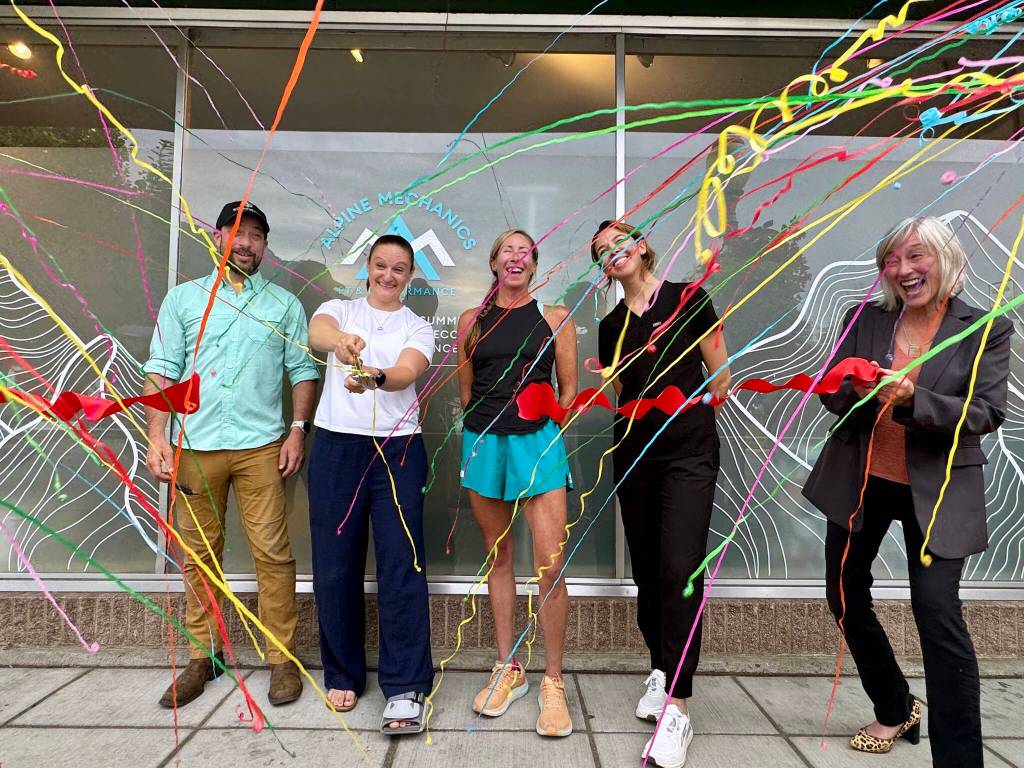
“One of the things you guys have probably noticed is North Bend has become more and more of an outdoorsy town, even more than it has been in the past 10 years,” said SnoValley Chamber CEO Kelly Coughlin at a ribbon-cutting ceremony July 31. “This just compliments that wholeheartedly.”
While Haley still provides general PT, she said her focus in the last few years has been working with patients who do outdoor sports. In addition to rehabilitation services, she helps patients meet their personal goals.
“It’s always been a goal or vision of mine to have a place where athletes can come and kind of focus on all-around wellness,” she said.
One of the main reasons Haley wanted to open her own clinic was for the ability to work with her patients as long as they need, without the restrictions often placed by health insurance plans.
“One of the clinics I worked at got bought out by a very large PT conglomerate, and it was always they were reducing appointment times or wanted to double book you, and I just felt like I couldn’t give the quality of care that I wanted to,” she said. “A lot of times insurance would cut people off before they were really ready to be done with PT, so not having those limitations is really nice.”
Alpine Mechanics does not take insurance, but patients can use their health savings accounts to pay for visits. Haley also recommends patients contact their insurance company to learn about any out-of-network benefits.
Another difference in Haley’s practice, she said, is a focus on educating patients so they can have independence in their care. Rather than visiting multiple times a week, patients are seen less often and are sent home with exercises to work on, as well as “education to help adapt your activities as you need to,” she said.
Haley’s hope is that her services allow patients to not only return to but exceed where they were pre-injury.
For runners, Alpine Mechanics provides an in-depth running analysis. In addition to video analysis, Haley has her patients wear a sensor that collects objective data, like how much side movement the person has and how much force they hit the ground with.
“A lot of times we can connect the data and what we’re seeing on the video to what is likely causing more stress on an area and that would contribute to the injury,” she said. “From a performance standpoint, we’re looking more for efficiency of movement and seeing how each side compares to the other and what we can do to help you become a more efficient runner.”
The mountain movement analysis service is similar to the running analysis, but Haley caters it to whatever specific mountain sport the patient requests. This service, the website says, is ideal for hiking, skiing, backcountry skiing, mountaineering, alpine climbing and rock climbing.
After both services, patients leave with a customized exercise plan that includes the patient’s personal goals.
As a skier and trail runner, Haley knows all too well how difficult it can be to take time away from a sport due to an injury. She currently has her own training goals with hopes of a ski mountaineering trip to Peru in the spring.
In the meantime, she’ll be helping others prepare for their next mountain adventure.
“My goal is to kind of bridge that gap between just traditional PT and performance,” Haley said, “and really help athletes focus on their goals and achieve the things that they want to with really individualized care.”