King County executive tours Fall City, meets business owners
Published 1:15 pm Tuesday, May 12, 2026
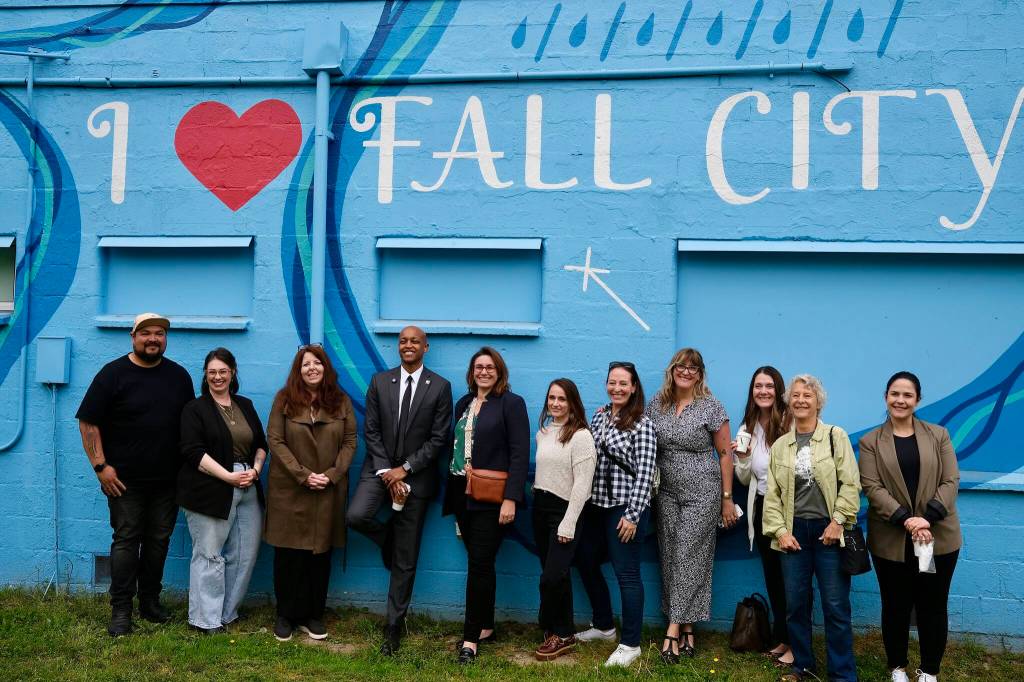
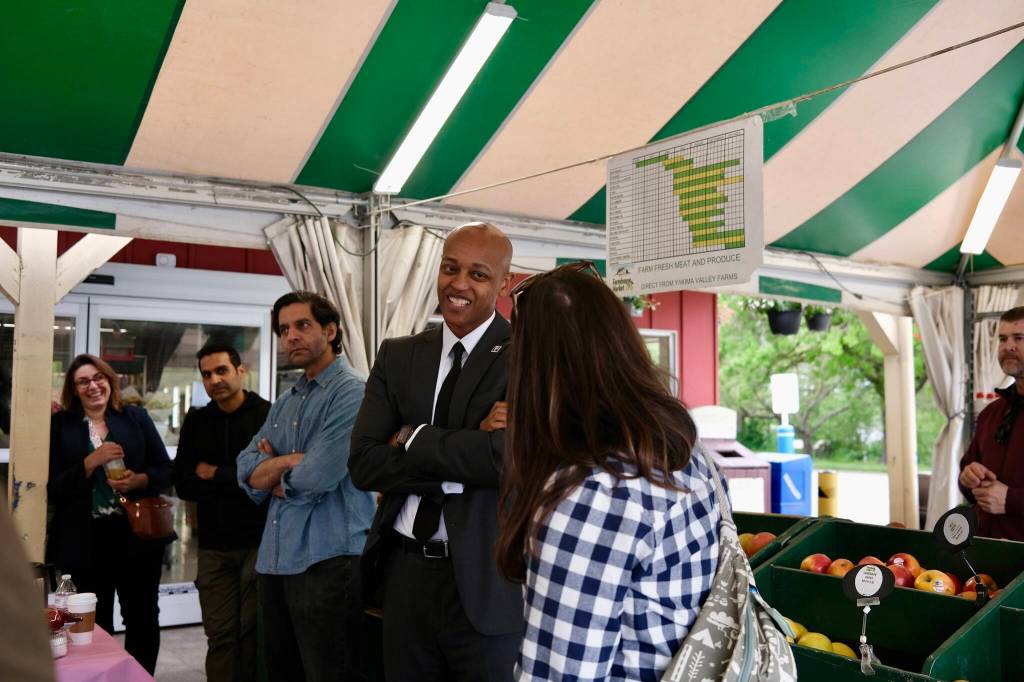
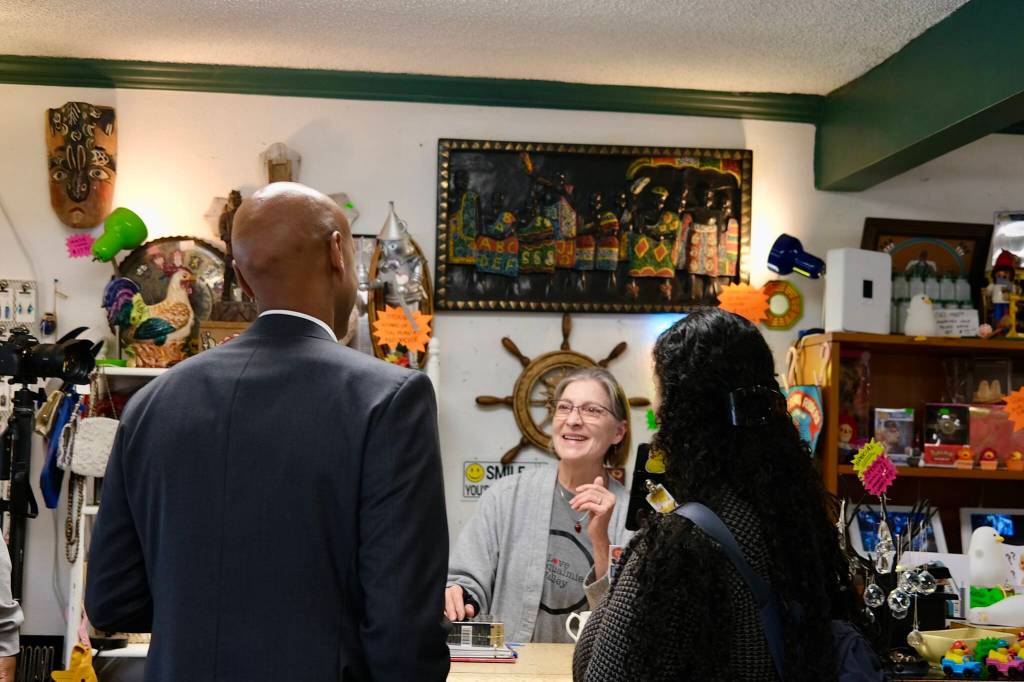
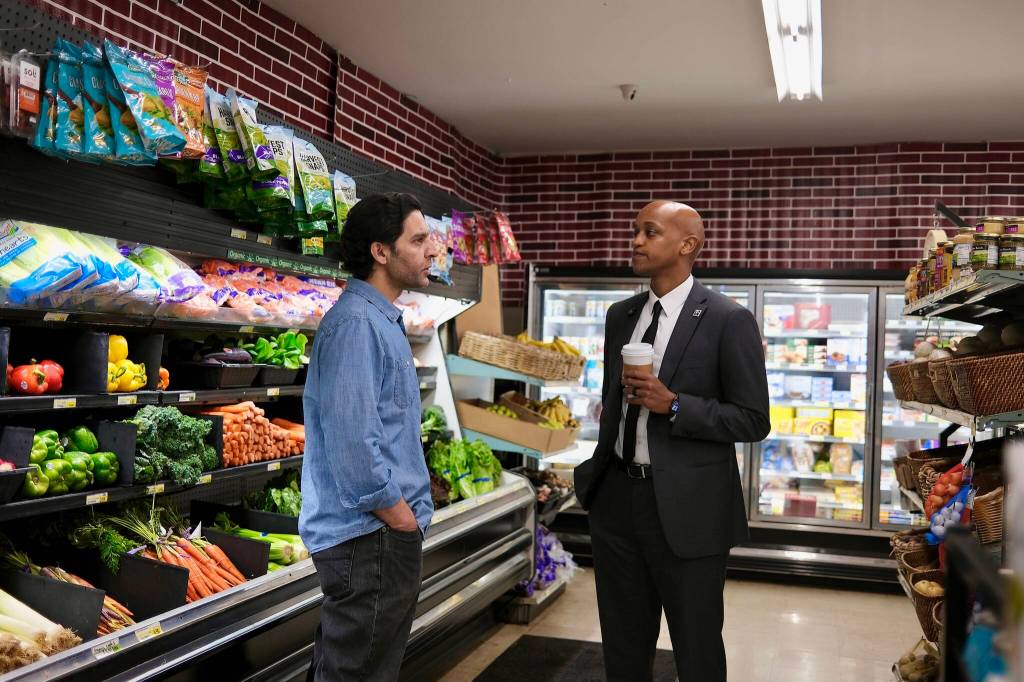
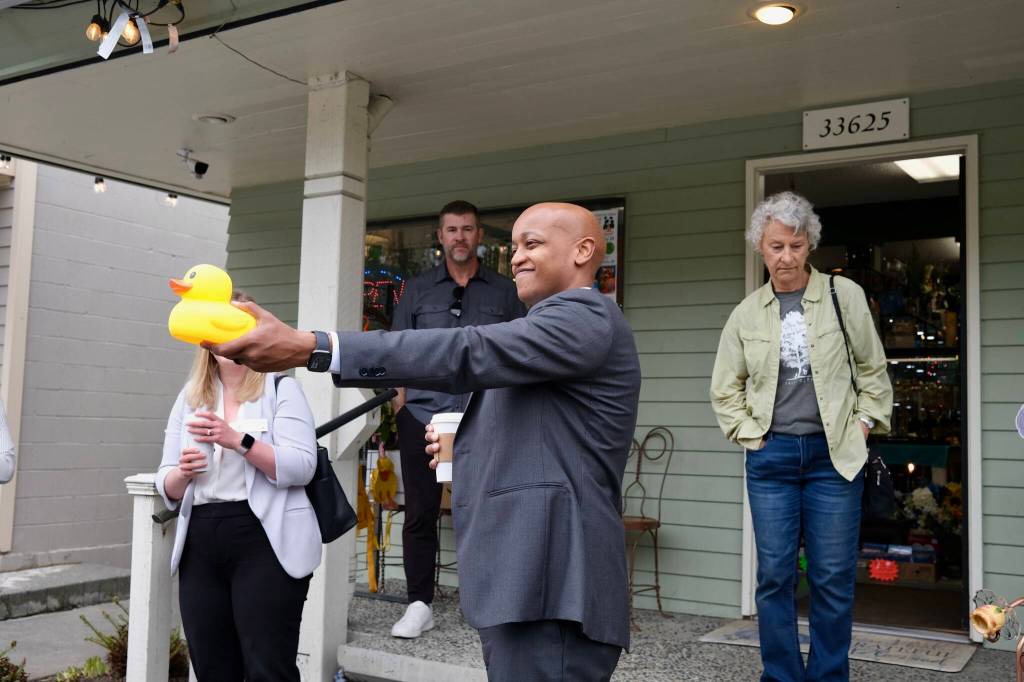


King County Executive Girmay Zahilay visited Fall City May 5, engaging in discussion with several local business owners for Small Business Week.
The visit also aligned with Zahilay’s designated priority of being in the community. He represents more than 60 communities, totalling about 2.3 million people, and has committed to “making King County government more visible,” according to his website.
“The name of the game is get out there, meet people, connect, learn as much as you can about every pocket, every city, every town,” Zahilay told the Snoqualmie Valley Record. “All the places are different and people have different needs, so we have to build relationships to deliver the best policies possible.”
Zahilay visited Fall City Elementary School, Aroma Coffee Co., Treehouse Kitchen, Martindale Guitar & Audio, Lucky Duck Thrift Shoppe, Gray’s Mercantile and Farmhouse Market.
He was joined by members of his staff and other King County team members, including Leon Richardson, the director of King County’s Local Services department. Local Services serves as the local government for unincorporated areas, implementing programs run by the county.
Several Fall City and Snoqualmie Valley leaders also joined the tour, sharing with the executive all of the progress occurring in Fall City — like the new septic system — as well as some areas in need of improvement.
The top concern that Zahilay heard throughout his morning in Fall City, he said, was the state of the rural roads, a conversation that has been plaguing King County in and outside of the Snoqualmie Valley.
“Our King County rural roads are in a pretty dire situation where in a few years, without some kind of new investment, our capital program will collapse, meaning we won’t have any more money to be able to maintain those rural roads,” he said. “That affects everyone in King County because everybody uses our roads, and pretty soon, they will not be in a place where people can use them safely.”
King County is currently considering enacting a sales tax to collect funds for King County Road Services. This potential tax will be discussed in a May 15 meeting of the King County Transportation District.
Many roads around unincorporated King County, like State Routes 202 and 203, are state-owned, which makes construction more complex. King County needs to be “good partners” with the state to get these things done, Richardson said.
On a positive note, Fall City is celebrating that its septic system improvements will soon be complete. King County has connected 46 Fall City businesses to an underground pre-treatment wastewater facility, a project the community spent a decade advocating for.
This project not only brought these septic systems into the 21st Century, but will allow for some growth so businesses can better serve their customers. For instance, septic systems limit what sort of solids can be disposed of, affecting the offerings of restaurants and cafes.
“I know septic systems are not a sexy topic, but this is the quiet and critical work that King County does in the background that a lot of people don’t think about,” Zahilay said. “If I were to rank the most important things that a society needs to be functional, I truly believe [managing waste] is the number one thing.”
King County is going through final checks on the new system, Richardson said, and then will be signing ownership of it over to the Fall City Septic Association, through which the community itself will manage the system going forward.
“This is, I think, the ideal situation where the community came online and they communicated to the government what the need was, and we were able to step up in a way and be responsive to that need in a very collaborative way,” Richardson said.
It is no surprise that the people of Fall City advocated hard for this needed improvement. After all, Zahilay noted, those who live here truly love the town.
“We met a lot of people who have been born and raised here and continue to stay here,” he said. “There’s a real strong sense of community here, where people support one another. They want the money that they spend to continue flowing in the local economy. There is a strong shared sense of responsibility to one another. … That’s really inspiring.”