As state hits 3,000 whooping cough cases, vaccinations are solution; Valley Hospital offers help
Published 12:23 pm Wednesday, August 1, 2012
More than 3,000 cases of whooping cough (pertussis) have been diagnosed in Washington so far in 2012, according to data compiled by the Washington State Department of Health (DOH), compared to approximately 200 cases at this time last year.
The DOH reports that whooping cough has been reported in nearly every county in Washington, with Skagit County having the highest rate. Whooping cough is most common in children and most dangerous for infants.
“Infants are most at risk for very serious illness from whooping cough, and many are made sick by an adult who didn’t know they were carrying the illness,” said Dr. Maxine Hayes, State Health Officer. “Even people who don’t have close contact with babies can spread the illness to babies when they’re in public.”
Vaccinations are the best way to prevent the spread of the disease. The DOH ordered 14,000 more doses of whooping cough vaccine for uninsured adults to in addition to the 27,000 doses already provided to local health partners. The TDAP (whooping cough) vaccine has also been provided by the King County Public Health Department.
Mary Selecky, Secretary of the Washington State Department of Health, declared a whooping cough epidemic in April of 2012, which has helped make the vaccine available for people who do not have health insurance.
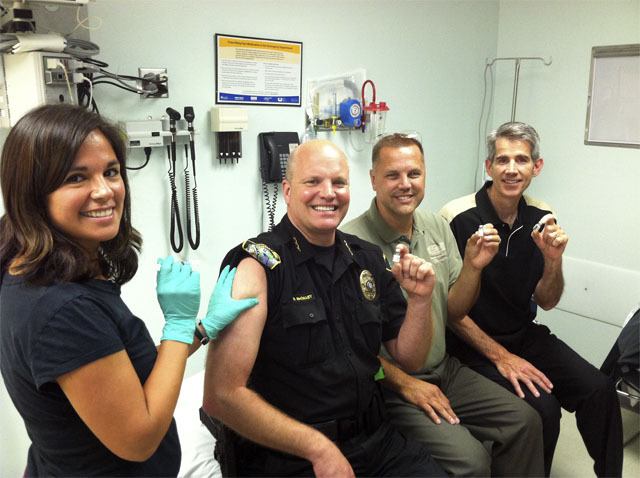
Snoqualmie Valley Hospital and its clinics have been able to administer the vaccine at several locations throughout the Snoqualmie Valley ranging from senior centers, senior living facilities and fire stations.
The hospital has been dispensing the vaccine for those without insurance or for those whose insurance does not cover immunizations, and only for those age 19 and older. Since June 1, hospital staff have visited more than a dozen locations and administered more than 320 immunizations. Protection provided by the whooping cough vaccine series wears off over time; therefore, teens and adults may need a booster.
For more information, visit the Pertussis 2012 (whooping cough) page at www.doh.wa.gov.