Is Grouse Ridge plan another end run?
Published 12:51 am Friday, October 3, 2008
The Final Environmental Impact Statement (FEIS) for the vast mining project proposed for Grouse Ridge was issued by King County’s Department of Development and Environmental Services (DDES) on Dec. 19.
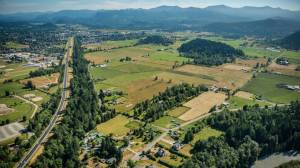
The project was announced in 1998 in a memorandum of understanding (MOU) issued by the Mountains to Sound Greenway (MTS). Signed by King County Executive Ron Sims, our commissioner of public lands and the executive vice president of Weyerhaeuser, the MOU ostensibly set forth a complex plan under which the public would ultimately receive “free” land from Weyerhaeuser, and Grouse Ridge would remain undeveloped. MTS was delighted, took full credit, and dismissed local critics as shortsighted nimbys. Most environmental groups were muted.
In retrospect, the MOU is revealed as a cynical device to obtain permits for an immense mining operation that poses big risks to our aquifers, our rivers, our safety and the safety of our children. It is based on contempt for local citizens and the democratic processes in place to protect us.
The proponents assumed MTS’s reputation would anesthetize everyone so the plan would sail through the State Environmental Policy Act (SEPA) process quickly and gracefully. The amateurish quality of the initial draft EIS suggests it was prepared only for ceremonial purposes.
It didn’t work as planned because citizens got involved, formed the Cascade Gateway Foundation (CGF), learned the system and contributed thousands of dollars and countless hours to fight the most threatening parts of the project. Concerns have centered on the critical issues of the lower site and access to the upper site, where 95 percent of the gravel is situated. Opportunities for compromises exist but Cadman has been resolute in not considering them.
Regardless of the final outcome, the proponents’ tactics have meant an ugly and slow process, one that will leave a legacy of anger and suspicion toward Weyerhaeuser and tarnish the reputation of MTS, the impartiality of our elected officials and the entire SEPA process. Worse, it has been unnecessary.
Rather than taking local residents into their confidence and following the prescribed open, public review process, citizens have been mislead. Our “leaders” have shown blatant displays of political muscle to achieve their goals.
For example, why weren’t we told about the project until after the elected officials had endorsed it and committed their respective bureaucracies to issuing the necessary permits?
Why did DDES, so nitpicky toward a citizen building a deck, allow Cadman through the entire SEPA process without requiring plans for the processing operation or the mile-long conveyor?
Why did the King County staffer sent out to help guide the community through the SEPA process suddenly resign and accept a public relations assignment with Cadman?
Why did the named partner of the law firm representing Cadman at DDES suddenly surface as finance chair of Ron Sims’ re-election campaign?
The most infuriating aspect has been a refusal to cooperate with SEPA’s fundamental policy – that of seeking “reasonable alternatives” that could achieve the objective with less impact. CGF does not oppose the entire project, just the “lower site” that threatens our aquifer and the safety of our school children. Cadman refuses to consider the Homestead parcel adjacent to the Exit 38 interchange, which taxpayers paid to have built at Weyerhaeuser’s request for its Grouse Ridge resources. Ninety-five percent of the material is located at the upper site, and 95 percent of the dangers and environmental impacts are at the lower site. Isn’t it “reasonable” to consider alternatives that would eliminate most of the dangers with minimal loss of materials?
At the root of our suspicions is the role of the MTS. The MOU obligates it to actively support permitting and development efforts for the gravel mine, including support during public comment periods and as an amicus in any litigation pertaining to the permitting of the project. If the project is as wonderful as MTS and Weyerhaeuser say it is, why is it necessary to have language legally obligating MTS to support it? Wouldn’t it do it on its own, without coercion?
The conflicts of interest are staggering! The Greenway’s list of directors includes King County Executive Ron Sims and the state Department of Natural Resources’ (DNR) Jennifer Belcher plus her successor, Doug Sutherland, and a long list of other local, county and state officials in positions to influence the issuance of permits. The county will receive land and other benefits only if it grants the permits. The DDES is simultaneously acting as “objective” lead agency under SEPA and issuer of the crucial clearing permit. Can citizens assume the staffers at DDES or DNR are able to stand up under pressures brought to bear on them and their top bosses by the Greenway?
Anyone familiar with the list of citizens serving as MTS directors knows they would never knowingly lend their reputations to such a questionable enterprise. But if they are so eager to turn the Upper Valley over to a big German mining company, why have they been unwilling to talk with us?
The day after the FEIS was issued, DDES requested specific information from Cadman as to its plans. This information should have been provided earlier so meaningful studies could have been produced. CGF is now working closely with individuals at DDES and other agencies, and we want them to know we are fair-minded, respectful and also relentless. CGF is not going away.
The Enron scandal demonstrates that power corrupts, and only inquisitive, honest and outspoken individuals stand between us and potential disaster. CGF encourages everyone to get involved, read the information on the Web sites, and speak up for what you believe is right.
Ken Hall is vice president of the Cascade Gateway Foundation.