Forests and Fish not intended to hurt family forest owners
Published 12:45 am Friday, October 3, 2008
This spring, I have heard from many people across Washington concerned with the effects of Road Maintenance and Abandonment Plans (RMAPs) on family forest owners. These plans, which are part of the Forests and Fish law passed in 1999, are intended to improve fish habitat by repairing road culverts that block fish passage and by preventing road sediments from entering streams.
However, it became clear that the RMAP requirements have some serious, unintended consequences. To better understand these problems, I sent Department of Natural Resources staff across the state to hear the concerns of family foresters and others. Additionally, Gov. Locke and I asked the Forests and Fish policy group to investigate these issues and recommend solutions.
Input from citizens, interest groups and many legislators has been very helpful in understanding the problem and was used by the Forest and Fish policy group to develop draft recommendations that achieve two important goals: improving fish habitat and ensuring that family foresters can continue to responsibly harvest timber and earn a living on their private property. I especially want to acknowledge the role that the Washington State Farm Bureau and its local chapters have played in organizing public meetings to share information about RMAPs and learn citizens’ concerns.
On June 19, Lenny Young, DNR’s Forest Practices Division manager, presented to the Forest Practices Board a summary of the issues we have heard and draft recommendations from the Forests and Fish Policy group.
Many people have expressed concern that the RMAP rules cover landowners with only a couple of acres, whether or not they plan to harvest timber. Accordingly, we are considering exempting forest landowners with less than 80 acres across the state from filing a road maintenance plan for land parcels less than 20 acres in size. We are also considering changing the definition of a family forest owner to those who harvest less than 2 million board feet per year, and greatly reducing their planning and reporting requirements.
We have also heard a great deal of frustration expressed about the cost of RMAPs. Replacing fish blockage culverts can cost from $3,000 to $20,000 – sometimes more. The University of Washington has estimated a statewide cost of $375 million to family foresters.
We are considering two solutions to this problem. First, repairing fish-blockage culverts would be prioritized through local watershed assessments. Currently, one culvert may be replaced that potentially opens up large stretches of fish habitat, only to find that fish are unable to reach that culvert because of other blockages downstream that have yet to be repaired. By prioritizing repairs, we can create habitat more quickly and do it in a logical manner.
Second, we are already working with the federal government and others to find funding to pay for large portions of these repairs.
Many people are also concerned that the definition of what is a “forest road,” and therefore requires an RMAP, is unclear and includes driveways. Similarly, many are concerned that the definition of “forest land” can be broadly interpreted to include several types of nonforest land where trees could potentially grow, but do not currently. To address these concerns, we are considering definition changes including removing driveways from the definition of a “forest road” and clarifying the types of land covered in the law.
These changes would ensure that people do not have to do RMAPs for driveways not used for forest practices, or for roads across pastures, crop fields and other types of non-forest land.
Thanks to everyone who has contributed to this discussion. We still have a lot of work to do, but with the help of citizens and local legislators, we can address the concerns that have been expressed by so many while we continue to protect our state’s aquatic resources.
Forests and Fish and the RMAP rules were never intended to put family foresters out of business, force them to harvest to pay for culvert replacement, or to convert forestland to strip malls. I am confident that we will soon make changes that address these serious, unintended consequences that might have occurred. We can achieve both our goals of improving fish habitat and keeping family forestry an important part of Washington’s economy, heritage and way of life.
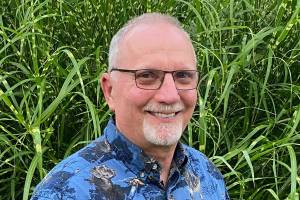
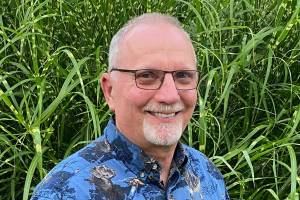
Doug Sutherland is the commissioner of public lands for the state of Washington.